The essentials
- Original Big Whale Safari & Puffins by Speedboat from Húsavík, listed from US$171 with a duration of 2 hours and a live tour guide in English.[1]
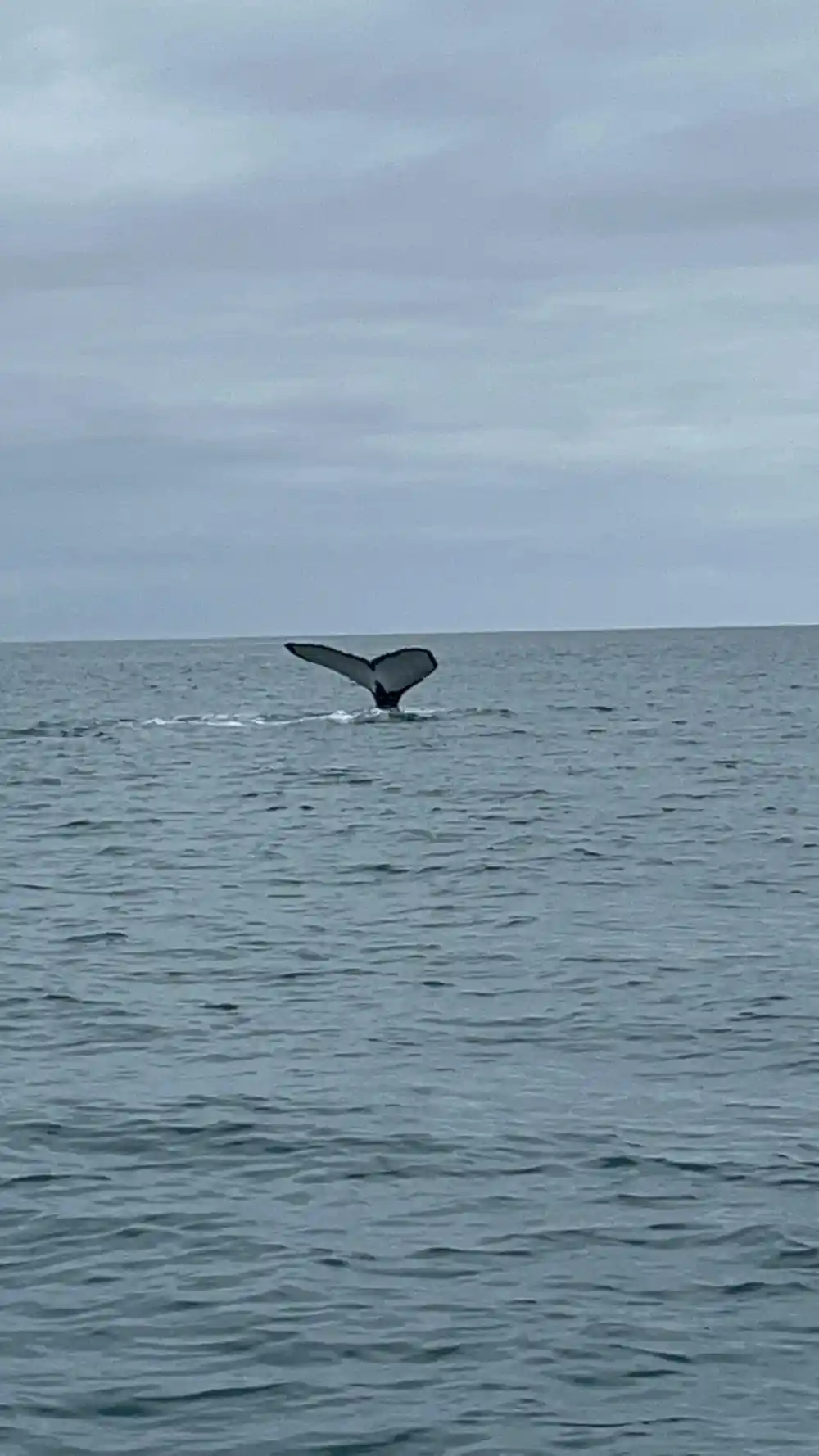
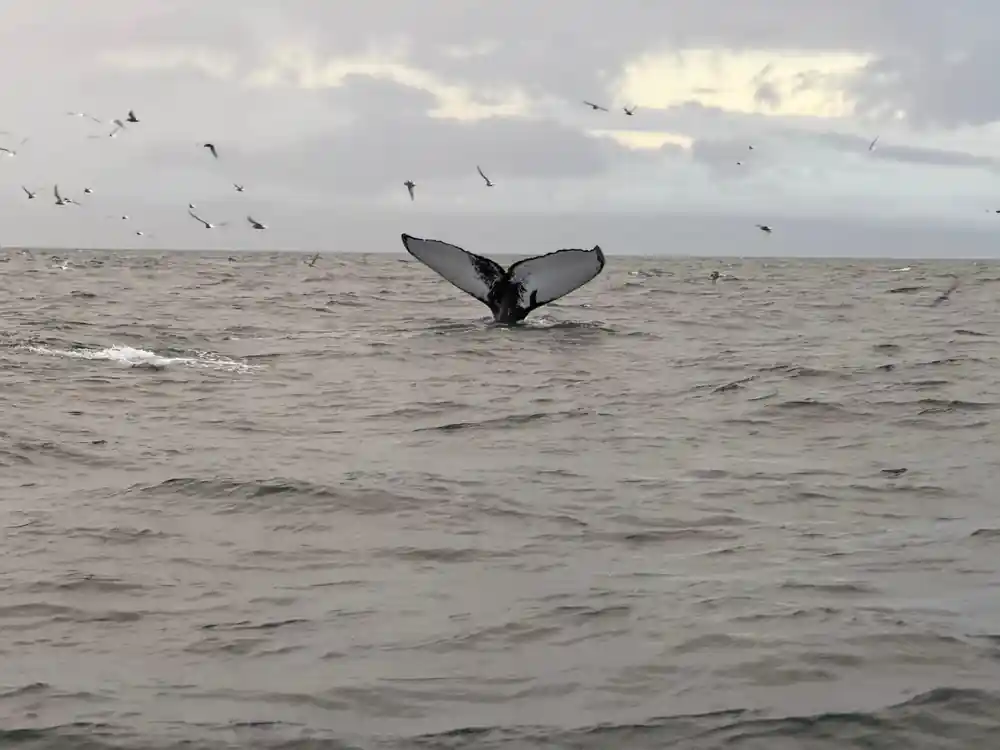
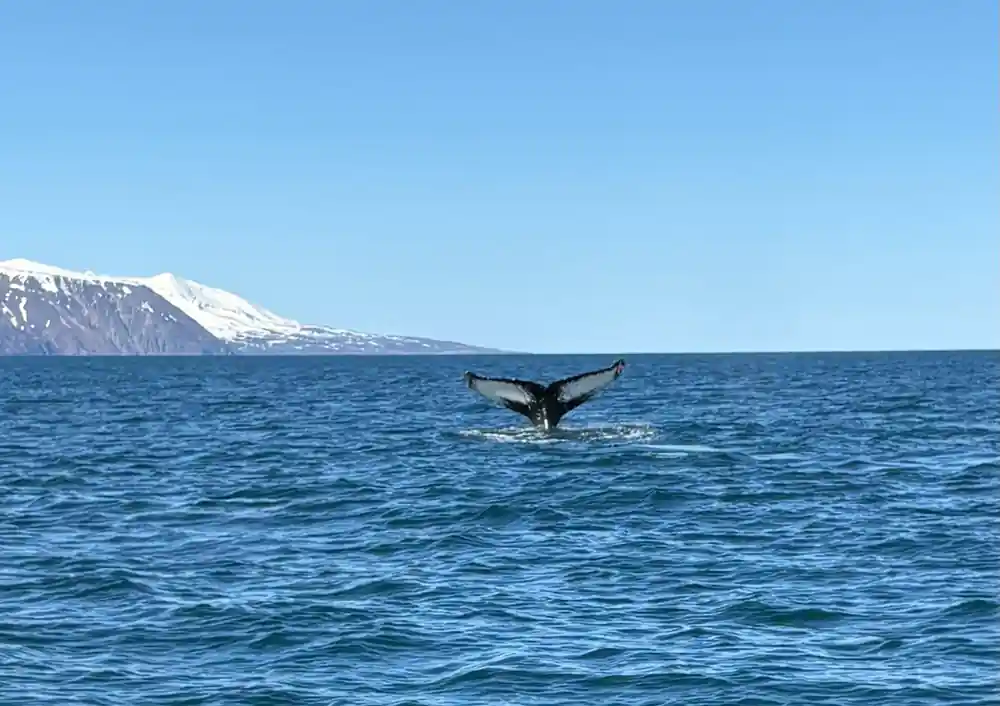
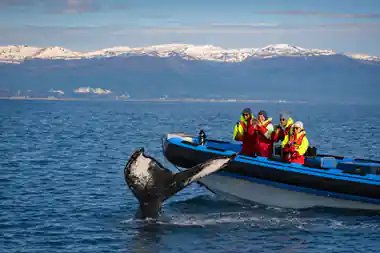
- Leaving the harbour, coming up onto the plane, the throttle cut, the blowing sound, the fluke going down. A speedboat trip is as much about the ride as the whales.
- Skjálfandi Bay is the water you cross: North Sailing tours offer a chance to encounter up to 11 cetacean species[2], and Lundey holds around 36,500 active breeding pairs of puffins[3].
- In summer the average sea water temperature in Skjálfandi Bay rises to 8.8 C[4], and the sun never fully sets from May through August, so the nights stay bright[5].
- Free cancellation up to 24 hours in advance for a full refund, and you can reserve now and pay later on the speedboat safari.[1]
- Top choice Original Big Whale Safari from US$171 Duration2 hours[1]Rating4.73 from 1,423 reviews[1]CancellationFree cancellation up to 24 hours[1]StopsHusavik, Puffin Island, Skjálfandi[1] Check availability
- Big Whales & Puffin Island from US$164 Duration2 hours[6]Rating4.83 from 1,059 reviews[6]CancellationFree cancellation up to 24 hours[6]StopsHusavik, Puffin Island, Skjálfandi[6] See this tour
- Whale Watching with Guide from US$99 Duration3 hours[7]Rating4.63 from 2,958 reviews[7]CancellationFree cancellation up to 24 hours[7]StopsHusavik and Skjálfandi[7] See this tour
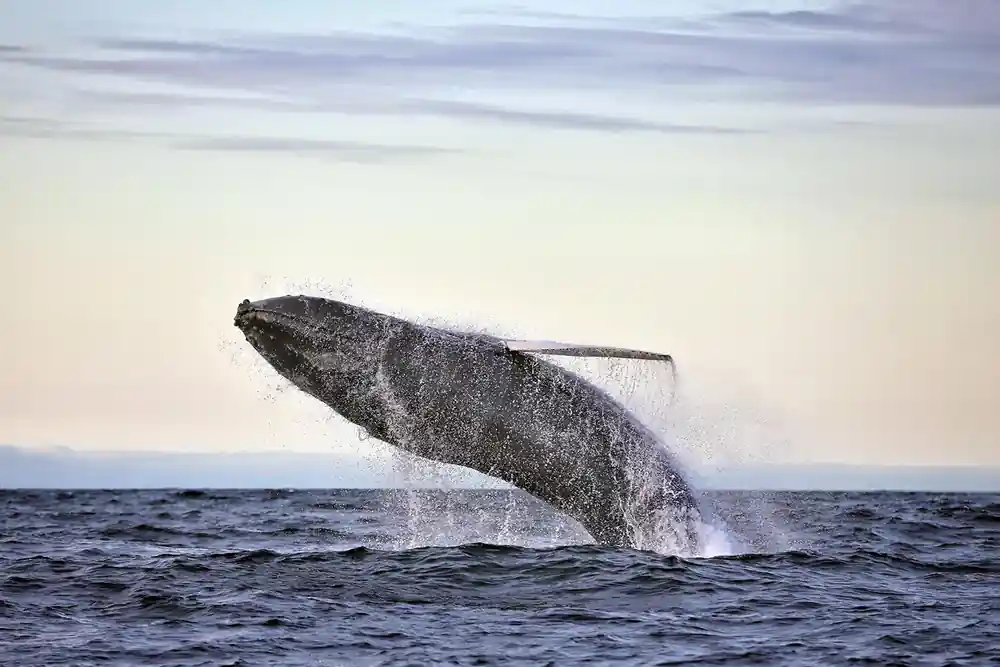
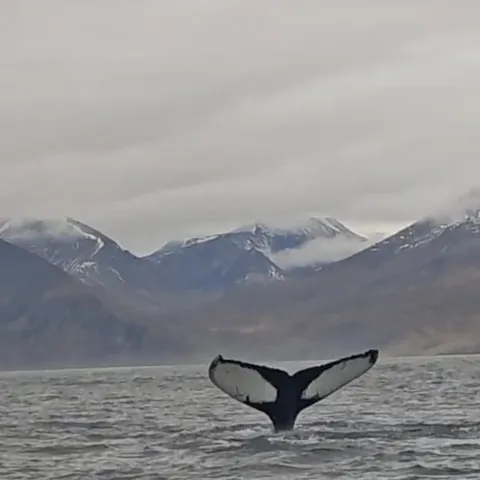
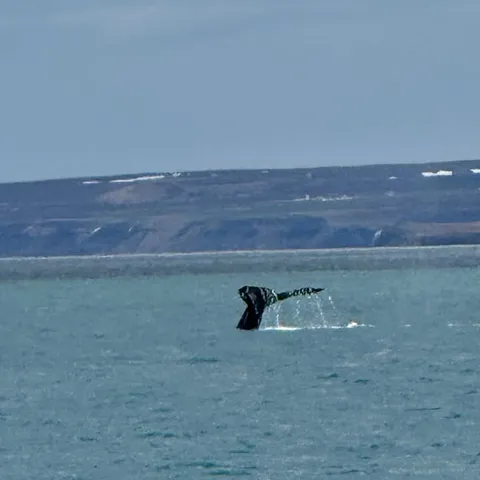
Humpbacks found in the Northern Hemisphere reach an average length of 49 to 52 feet and southern humpbacks reach 60 feet.
Is the big whale boat safari worth booking?
On the day
- Arrive at the harbour with time to spare, so the suit and the briefing are not rushed
- Wear layers you can move in, with a windproof outer layer on top
- Sunglasses and sun cream: glare off the water is strong even under cloud
- Keep one hand free for the rail and your camera in a zipped pocket
Leaving Húsavík harbour as the throttle opens
Húsavík is a small town on Iceland's north coast with a population of roughly 2,500[10]. Its name means the house bay, taken from the winter camp that Garðar and Náttfari set up in Skjálfandi Bay and the house they built here[11]. Commercial whale watching in Iceland began in this harbour in 1995[12], and the boats still leave the same way, past the church on the hill, out between the headlands and into open water.
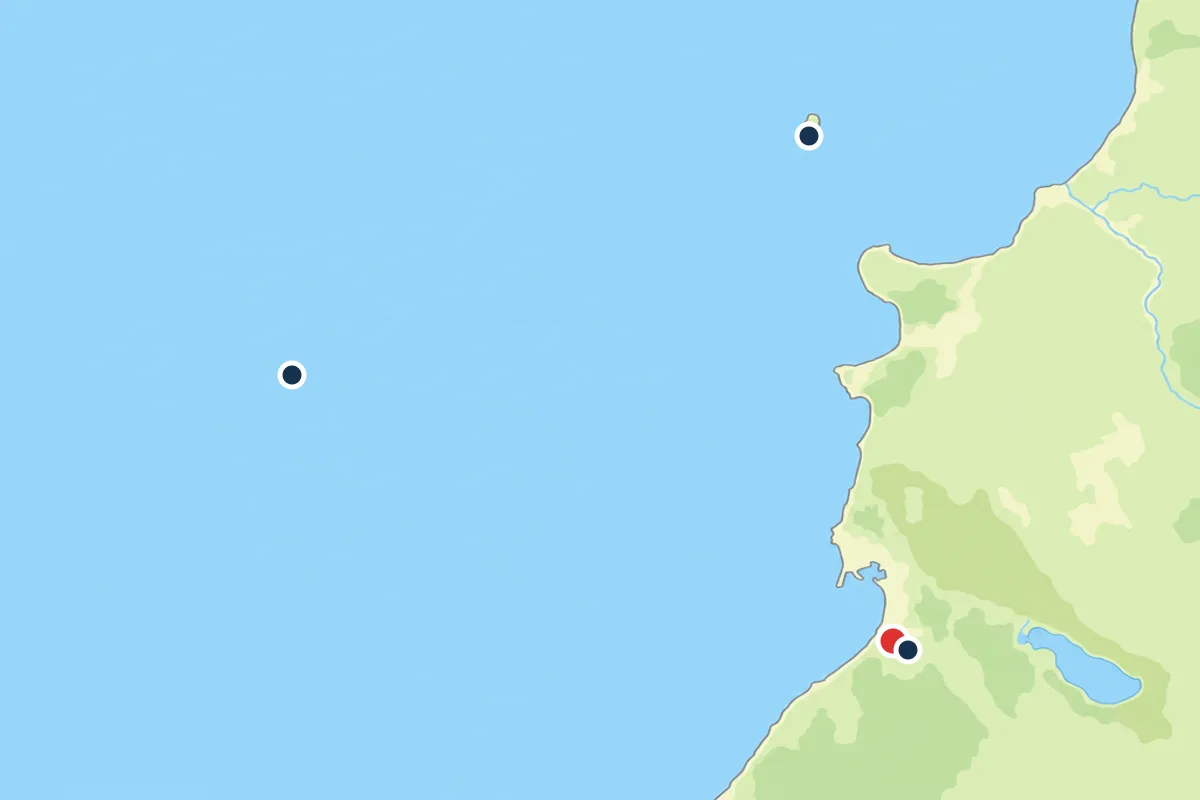
Skjálfandi Bay is about 28 kilometers wide at its widest point and about 25 kilometers long[13]. On a RIB you feel the hull come up onto the plane not long after the harbour mouth, and then the ride settles into a rhythm of small slaps and long glides. The town shrinks behind you, the mountains on the far side seem to stay the same size for ages and then suddenly sit right beside the boat, and the air gets noticeably colder once there is nothing between you and the sea.
How you sit on a RIB and where to hold on
RIB seating is a long padded bench. You sit astride rather than side on, both feet flat on the deck, with your weight over the middle of the boat where the ride is steadiest. There is a rail or a handle within reach, and the crew will show you where to put your hands before you leave the harbour. Let your knees and back absorb the small bumps instead of bracing against them.
A RIB is an open boat, so plan for wind and spray rather than shelter. Dress warmer than the town feels, with a windproof layer on top, and pack a hat and gloves even in midsummer, when the air over the bay can still bite. Follow whatever the crew ask you to put on over your own clothes. Phones and cameras are safest in a zipped pocket or a dry bag while the boat is moving, and easiest to use when the engines slow.
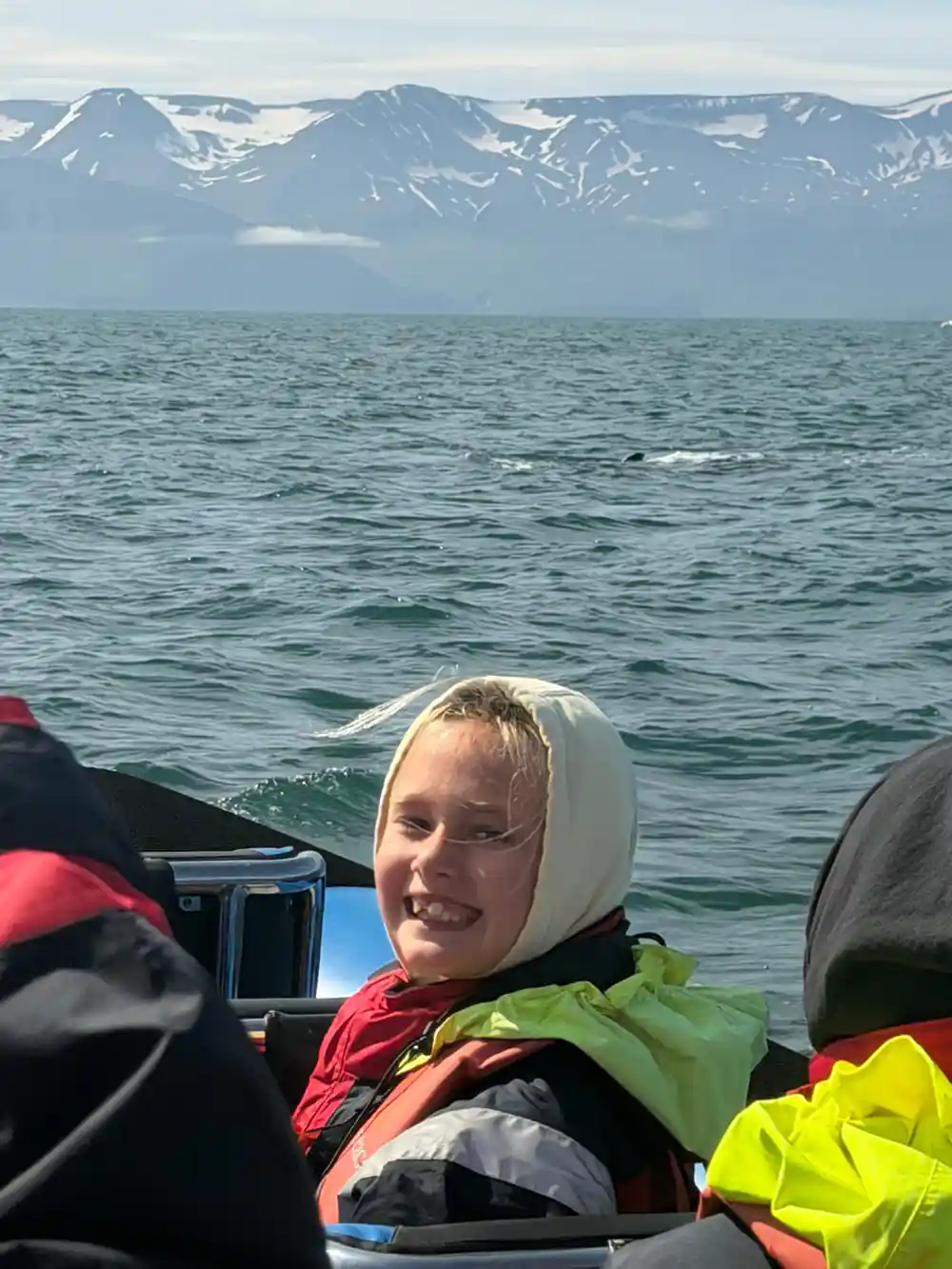
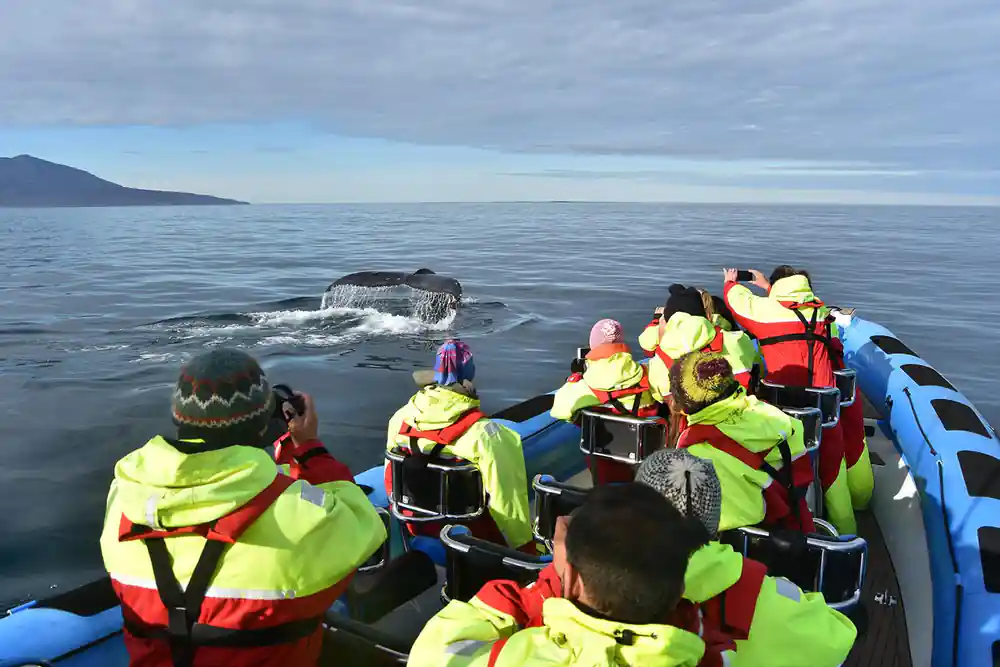
Yellow jackets in a row, flat grey water and the cliffs of the bay sliding past.
The moment the engines cut to silence
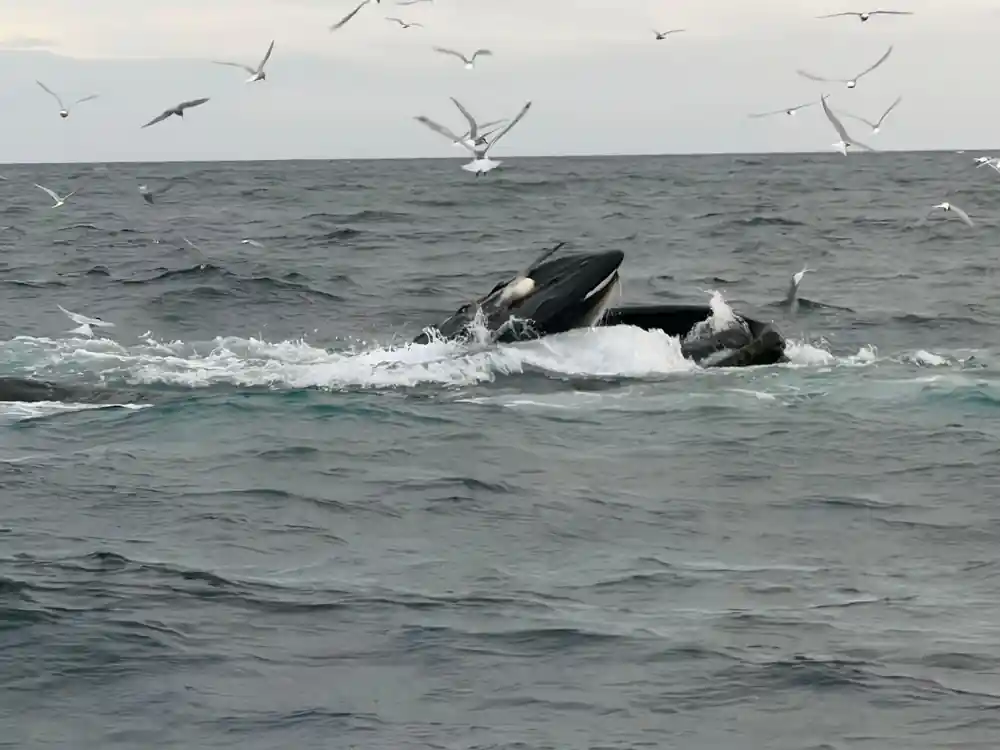
When the guide sees a blow or a back, the throttle comes down and the boat settles into the swell. The sudden quiet is the strangest part of the day. Engine noise that has been in your ears since the harbour stops, and you hear water slapping the hull, seabirds somewhere behind you and people breathing. Everybody stands a little straighter and looks the same way.
Húsavík has a long record with these animals. North Sailing says its Húsavík whale watching tours have had a 97% overall whale sighting success rate, based on sightings in Skjálfandi Bay since 1995[2], and on North Sailing tours there is a chance to encounter up to 11 different cetacean species[2]. No single trip can promise a particular animal or a particular moment. What the wait buys you is time on the water, in the place where the whales feed.
The other thing that happens when the engines stop is that everyone stops talking. People who have been shouting over the wind for the last stretch go quiet, cameras come down and the boat drifts. If the whale comes close, the guide will tell you which side to look at. If it stays out at a distance, you still get the long view of a back breaking the surface, and that alone is worth the trip.
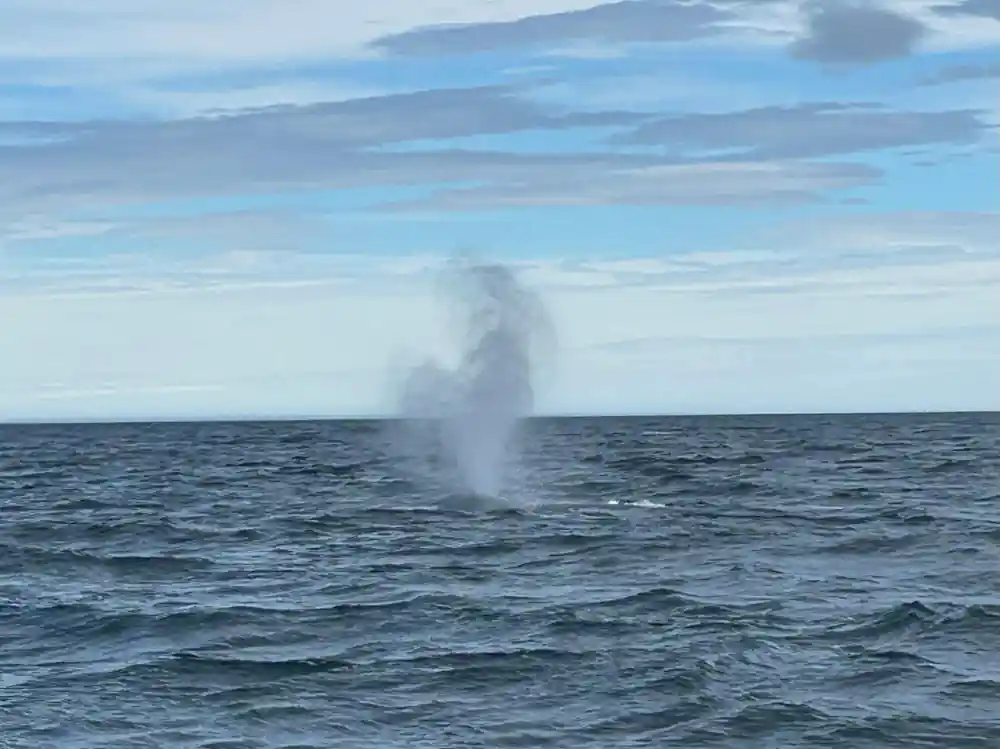
What a whale's blow sounds like from a RIB
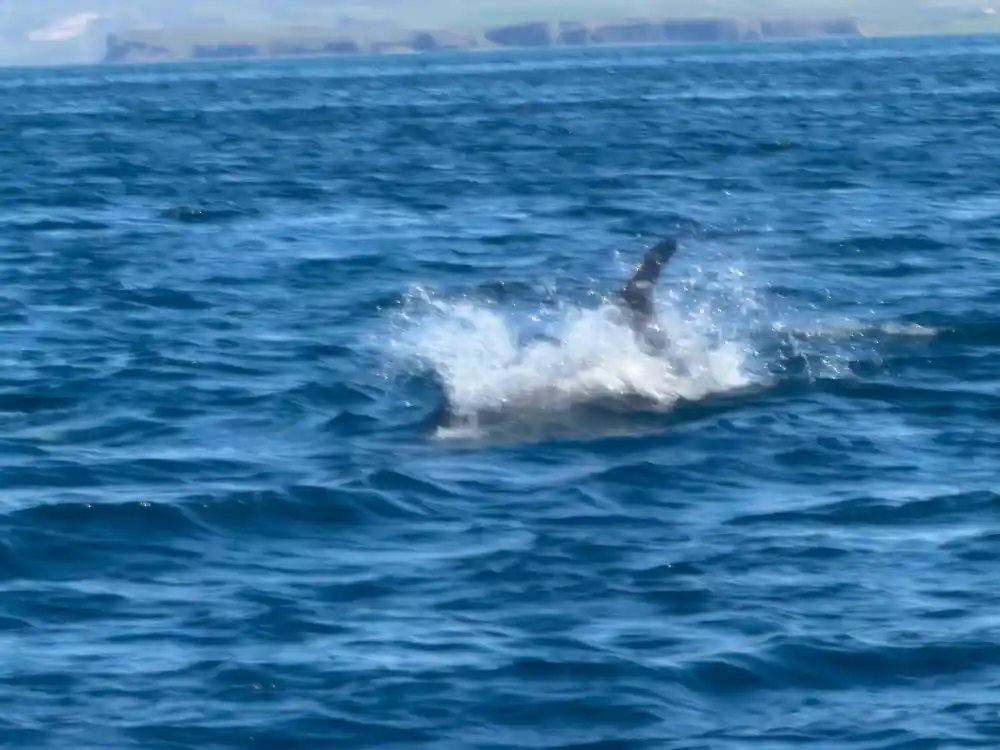
The blow is a soft, wet push of air, closer to a heavy sigh than a whistle, and from a low seat you hear it before you see anything. Humpbacks found in the Northern Hemisphere reach an average length of 49 to 52 feet, and southern humpbacks reach 60 feet[14]. The average weight for a mature adult is 50,000 to 80,000 pounds[14]. An animal that size does not move the way you expect. It surfaces slowly, rolls, and the long back keeps coming out of the water.
From a RIB you are near the water rather than above it. That changes the scale of everything. The blow arrives at the same time as the movement, and an animal looks far bigger at water level than it does in a photograph. It is worth keeping the camera down for the first pass. Watch where the back is heading rather than where it was, and you will be looking at the right patch of water when the whale comes up again.
from US$171
The Original Big Whale Safari & Puffins by Speedboat runs for 2 hours from Húsavík, with a live tour guide in English.[1]
How the guide narrates a sighting as it unfolds
A live tour guide in English works the boat like a narrator throughout the two hours[1]. One hand points, the other steadies on the rail, and the commentary keeps pace with the animal: which side, how close, what it is doing now. When the whale goes down, the guide keeps talking, filling the gap so you know whether to wait or to turn away. The route runs from Husavik harbour to Puffin Island and on into Skjálfandi[1], and the talk changes with it.
The Whale Trail advises that one of the best ways to find marine mammals is to look for other people who are watching them, especially stopped boats[15]. You are already on a boat, so borrow the habit rather than the technique. Follow the guide's hand, then look past the point they are pointing at, at the water itself. A knot of seabirds over one patch, a change in the chop, or a dark shape that appears and disappears in the same place are all worth a second look.
Puffins at Lundey and the ride home
Lundey, the puffin island in Skjálfandi Bay near Húsavík, is described as a nesting ground for around 36,500 active breeding pairs of puffins[3]. The boat slows and comes in towards the rock, and the birds come off it in loose, fast clouds, small and slightly comic, with far too much beak for the body. They circle, land, disappear into burrows and come up again. The stop is short and loud, and children tend to love it.
Then it is a straight run back to the harbour with the throttle open, and the cold catches up with you once the boat stops moving. If you want to warm through afterwards, GeoSea Geothermal Sea Baths is a geothermal spa whose infinity pools are filled with seawater from geothermal boreholes kept at 38 to 39 °C year-round[8]. The Húsavík Whale Museum was founded in 1997, with the aim of providing detailed and interesting information about whales and their habitat[16].
What to know before you book
The Original Big Whale Safari & Puffins by Speedboat is listed from US$171, runs for 2 hours and has a live tour guide in English[1]. The stops are Husavik, Puffin Island and Skjálfandi[1]. Free cancellation is available up to 24 hours in advance for a full refund, and you can reserve now and pay later[1]. Check availability to see starting times[1].
A speedboat is not the only way out into the bay. A traditional Húsavík whale watching tour is listed from US$98, a family-run whale watching tour with indoor seats from US$85, a whale watching tour with a guide from US$99 and the Big Whales and Puffin Island speedboat from US$164[6][7][9][17].
On the timing side, the midnight sun peaks around the summer solstice in June and the sun never fully sets from May through August, so the nights stay bright right across Iceland[5], and in summer the average sea water temperature in Skjálfandi Bay rises to 8.8 C[4]. Book the boat that matches the people you are with. A RIB suits travellers who want speed, spray and a low seat near the water. A larger boat suits anyone who would rather stay dry, sit indoors and take their time.
From-prices of Húsavík whale watching listings
Every bar is the listed from-price of a Húsavík whale watching tour in US dollars:[1][6][7][9][17]
What a seat on the water costs
US dollar from-prices of tour listings:[1][6][7][9][17]
When to book a Húsavík whale boat safari
How to plan your RIB safari
Book before you arrive
Departures fill up in high season. Book the date you want, then keep the morning free so a change in the weather does not ruin the whole trip.
Check the meeting point
The safari starts from Húsavík harbour. Walk down the day before so you know exactly where to be, and how long it takes to get there.
Layer up properly
Thermal base layer, fleece, windproof jacket, hat and gloves. The cold comes from the wind over the water, not from the air in town.
Listen at the briefing
The crew show you the seat, the rail and the safety gear before you leave. Ask where to stow a bag if you are not sure.
Keep the camera down at first
Watch the water, learn how the boat moves, then start filming. A whale that surfaces once usually comes up again nearby.
Ready for two hours on the bay with the whales?
from US$172Reserve now & pay later