The essentials
- Skjálfandi Bay is about 28 kilometers wide at its widest point and about 25 kilometers long, with Húsavík on its western shore.[1]
- In summer the average sea water temperature in Skjálfandi Bay rises to 8.8 C, so a windproof layer matters more than a thick one.[2]
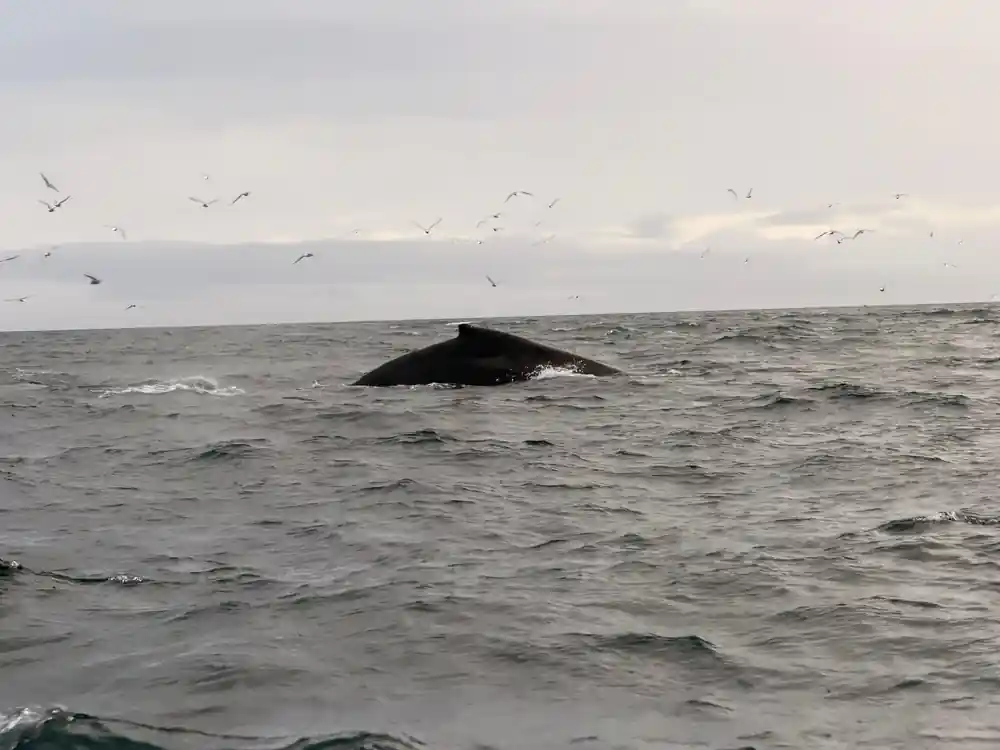
- Rain rarely stops a trip. Wind and swell decide far more than drizzle does, so pack waterproofs and enjoy the quiet, grey light over the water.
- North Sailing says its Húsavík whale watching tours have had a 97% overall whale sighting success rate based on sightings in Skjálfandi Bay since 1995.[3]
- The Original Big Whale Safari and Puffins by Speedboat is from US$171, rated 4.73 from 1,423 reviews, and runs 2 hours.[4]
- Top choice Big Whale Safari from US$171 Duration2 hours[4]Rating4.73[4]Reviews1,423 reviews[4]RouteHusavik, Puffin Island, Skjalfandi[4]CancellationCancel up to 24 hours[4] Check availability
- Big Whales and Puffins from US$164 Duration2 hours[5]Rating4.83[5]Reviews1,059 reviews[5]RouteHusavik, Puffin Island, Skjalfandi[5]CancellationCancel up to 24 hours[5] See this tour
- Family-Run Whale Watching from US$85 Duration3 hours[6]Rating4.70[6]Reviews1,987 reviews[6]RouteSkjalfandi[6]CancellationCancel up to 24 hours[6] See this tour
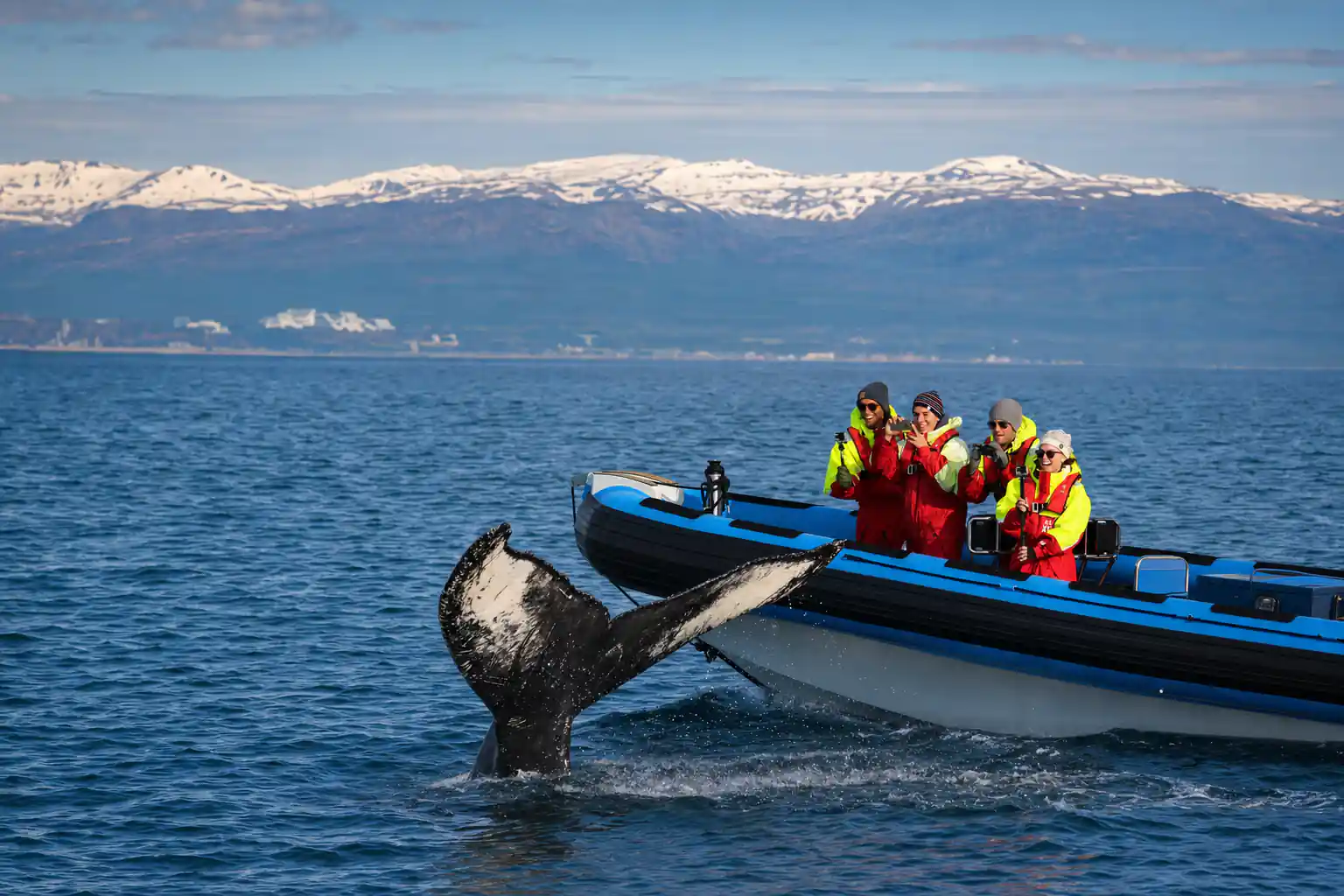
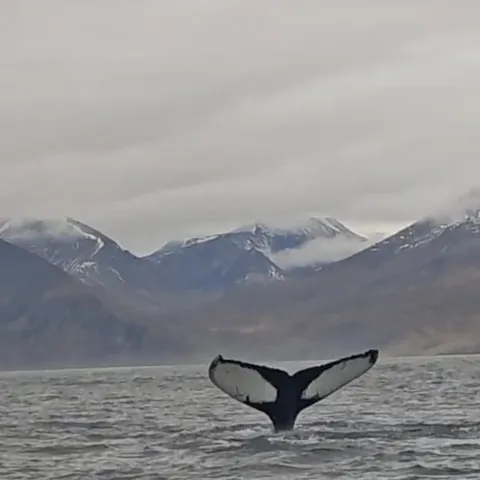
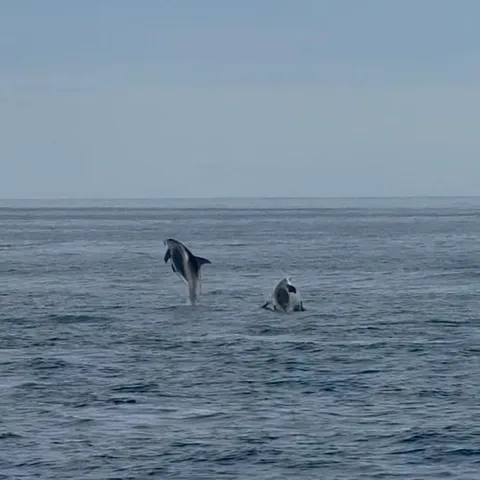
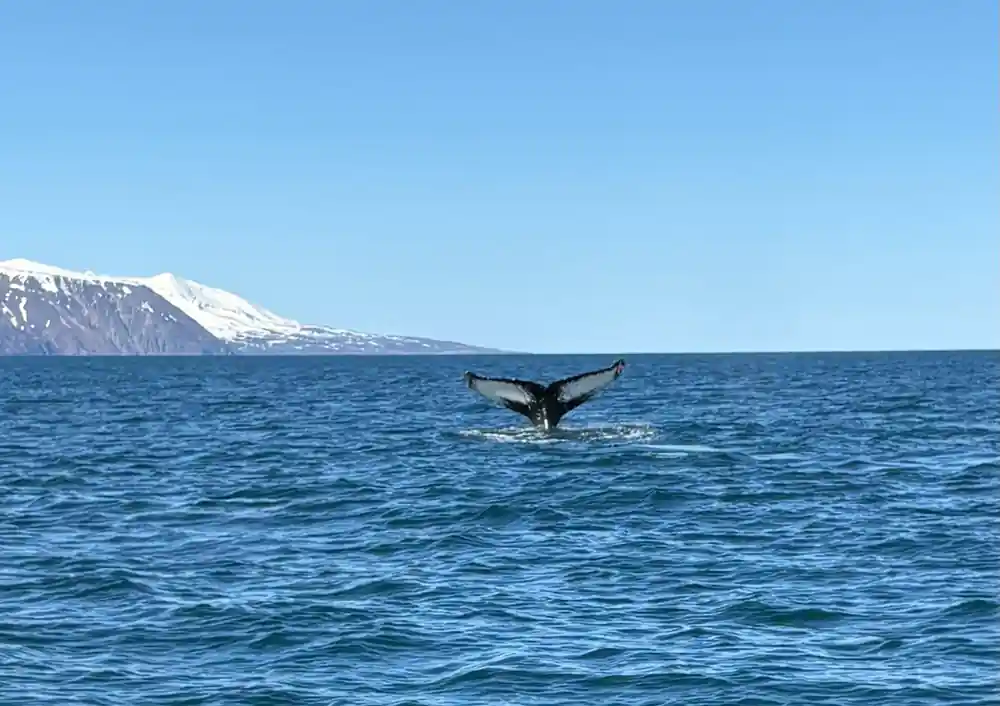
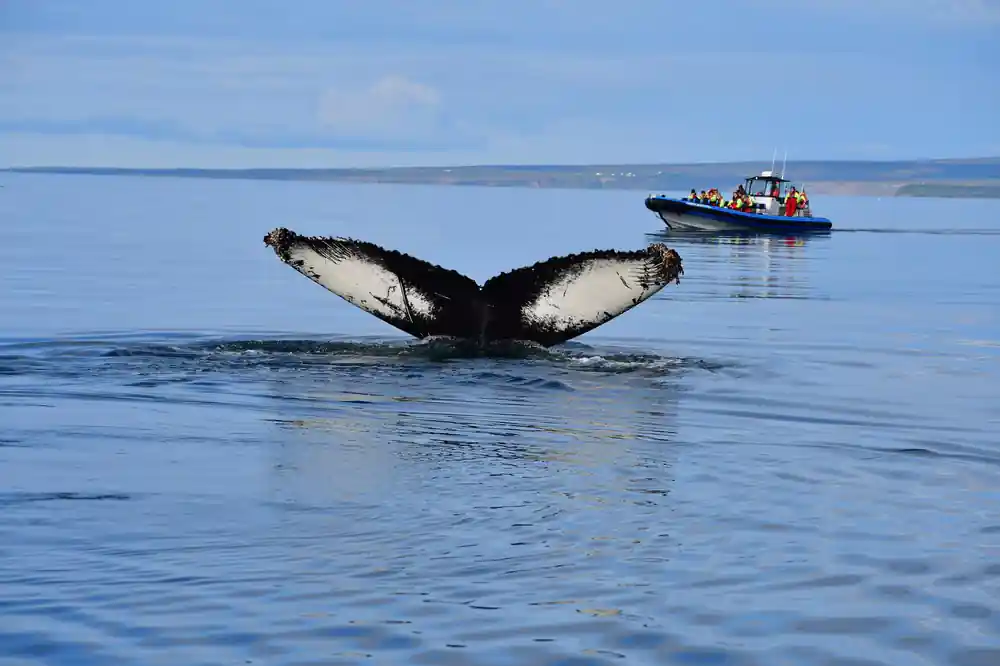
To provide realistic expectations to spot whales, we have gathered data of sightings in Skjálfandi Bay from every tour since the beginning of whale watching in 1995 in Húsavík. The results are truly impressive, with a 97% success rate of overall sightings!
Is the speedboat safari worth it in bad weather?
Before you leave Húsavík
- Check the Husavik yr forecast, then look at the sky from the harbour
- Dress for a temperature that feels lower once the boat is moving
- Eat something light an hour or two before departure rather than a heavy meal
- Keep your booking confirmation handy in case the harbour office asks for it
On the water
- Sit towards the stern, where the motion is gentler, and watch the horizon
- Zip your waterproof layer up before the boat picks up speed, not after
- Keep your eyes on the water and the mountains for the first stretch out
- Carry a card for a hot drink at the harbour cafe when you get back
Skjálfandi Bay: A Sheltered Arctic Seaway
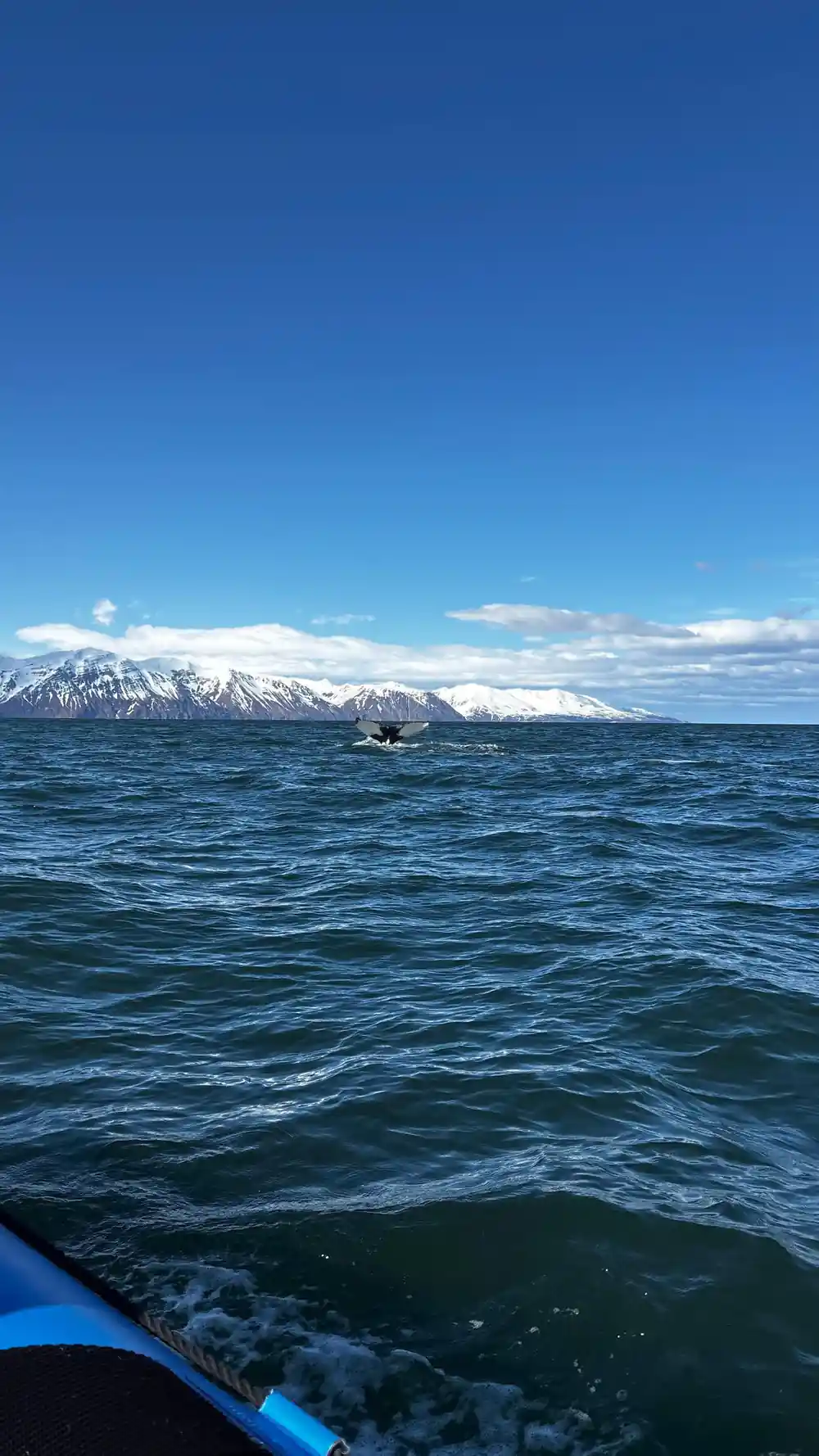
Skjálfandi Bay is the reason Húsavík exists as a whale watching town. It is about 28 kilometers wide at its widest point and about 25 kilometers long, a broad bowl of water with mountains along the shores and the open Arctic to the north.[1] Húsavík itself has a population of roughly 2,500, and almost everything in it faces the harbour.[7] Commercial whale watching in Iceland began here in 1995, and the same water has been worked ever since.[8]
Shelter is a relative word on this coast. The shape of the bay takes the worst of a westerly or easterly swell off the water, and the land gives some protection from wind, but Skjálfandi is still an Arctic bay and it can turn choppy quickly. Wind that comes down the valley and out across the water is the usual troublemaker, and wind against a running swell builds the short, steep chop that small boats dislike. On many days you will barely notice any of it. On others you will be glad of a waterproof jacket and a seat near the stern.
Husavik Weather and Husavik Temperature Through the Year
Husavik temperature is rarely extreme, but the sea here is cold. In summer the average sea water temperature in Skjálfandi Bay rises to 8.8 C.[2] Air in town runs warmer than that, and the gap matters: you dress for the quay and then stand in wind over cold water for a couple of hours. Summer also brings the long days. The midnight sun peaks around the summer solstice in June, and the sun never fully sets from May through August, so nights stay bright right across Iceland.[9]
Forecasts are worth checking twice on the morning you sail. The husavik weather yr page for the north coast gives a good picture of the town and the roads, and the Icelandic Met Office publishes coastal forecasts that sit closer to what skippers watch. Neither one tells you how the bay will feel from a small boat. Wind speed and wave height are not the same thing as comfort, and a light wind running against a swell can be far more uncomfortable than a steady breeze on a grey, rainy morning.
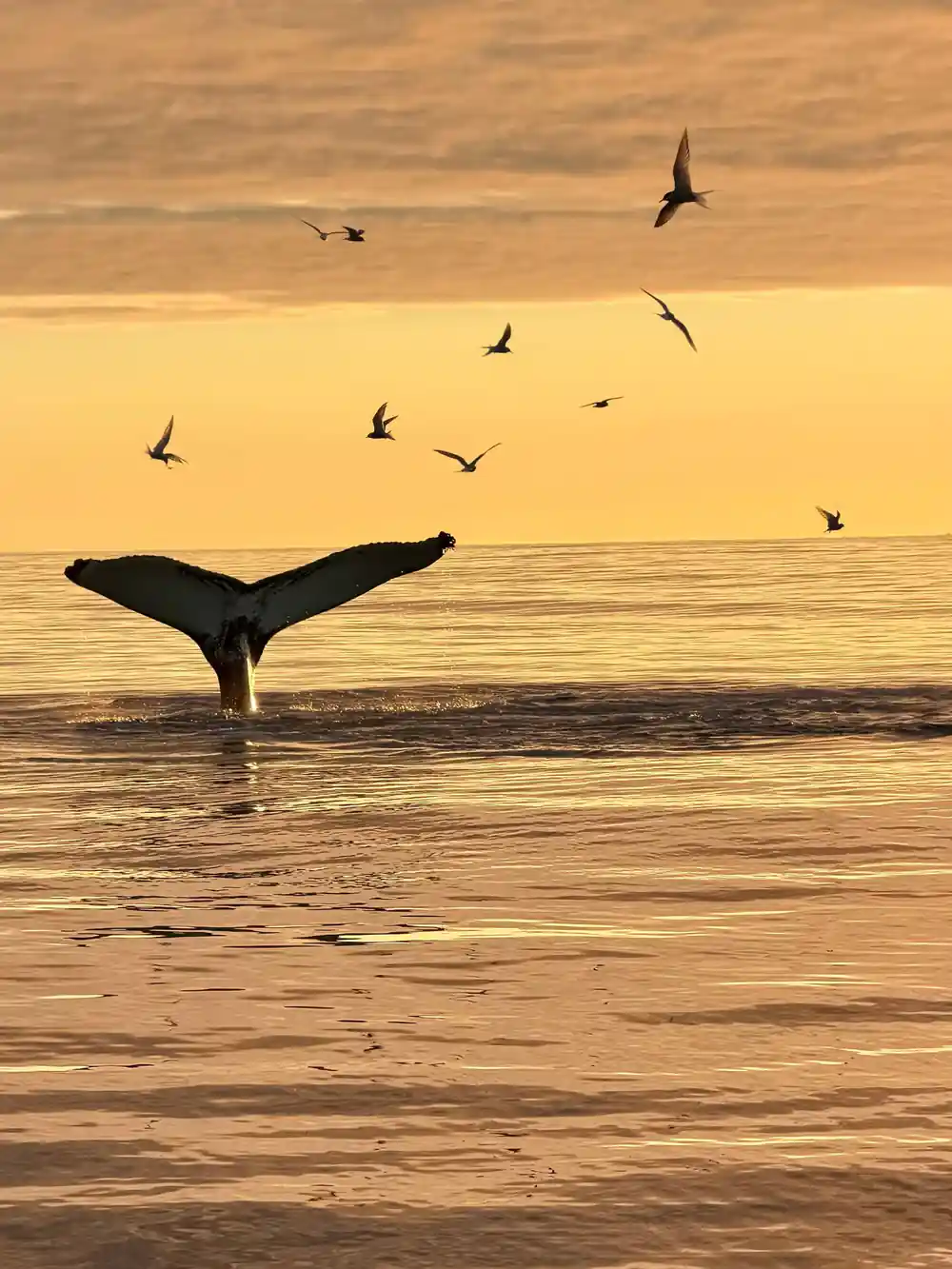
Puffins gather on a rocky outcrop off Lundey in Skjálfandi Bay.
Can You Whale Watch in the Rain?
Yes, in most cases. Rain is a normal part of an Icelandic summer and boats keep running through it. What matters is the wind and swell that arrive with a front, and the crew judge that before leaving the harbour. If a trip is called off you hear from the operator, and the speedboat safari listing offers free cancellation up to 24 hours in advance for a full refund.[4] Being wet and cold is the real problem, and good layers solve most of it.
Treat rain as a reason to dress well rather than a reason to stay ashore. A waterproof shell with a hood, waterproof trousers and a warm hat keep you comfortable, and thin gloves make a surprising difference. Wildlife does not mind the drizzle. Puffins on their nesting island look the same wet or dry, and whales surface in any weather. If the sea is too rough to go out at all, the Húsavík Whale Museum, founded in 1997, is an indoor alternative with detailed information about whales and their habitat.[10]
Wind Strength and What It Does to the Ride
Wind is the biggest single factor in how a trip feels. A RIB travels fast: the RIB Express has a comfortable cruising speed of 32 knots.[11] You cover distance quickly, and you feel every gust on the way, so sit down, hold on and enjoy it. A fast crossing also means the boat spends more of the outing among the whales and less of it travelling, which is the point of choosing a speedboat at all.
Boat size matters as much as wind speed. A bigger, heavier boat takes a swell at a slower pace, while a RIB skims over the top and lands with a slap. If you know you dislike that slap, choose the slower boat and accept a longer crossing. The bay is wide, with about 28 kilometers between the headlands at its widest point[1], so there is room to change course when the wind picks up.
from US$171
The Original Big Whale Safari and Puffins by Speedboat runs 2 hours from Húsavík to Puffin Island and Skjálfandi Bay.[4]
Morning Calm and Afternoon Breeze
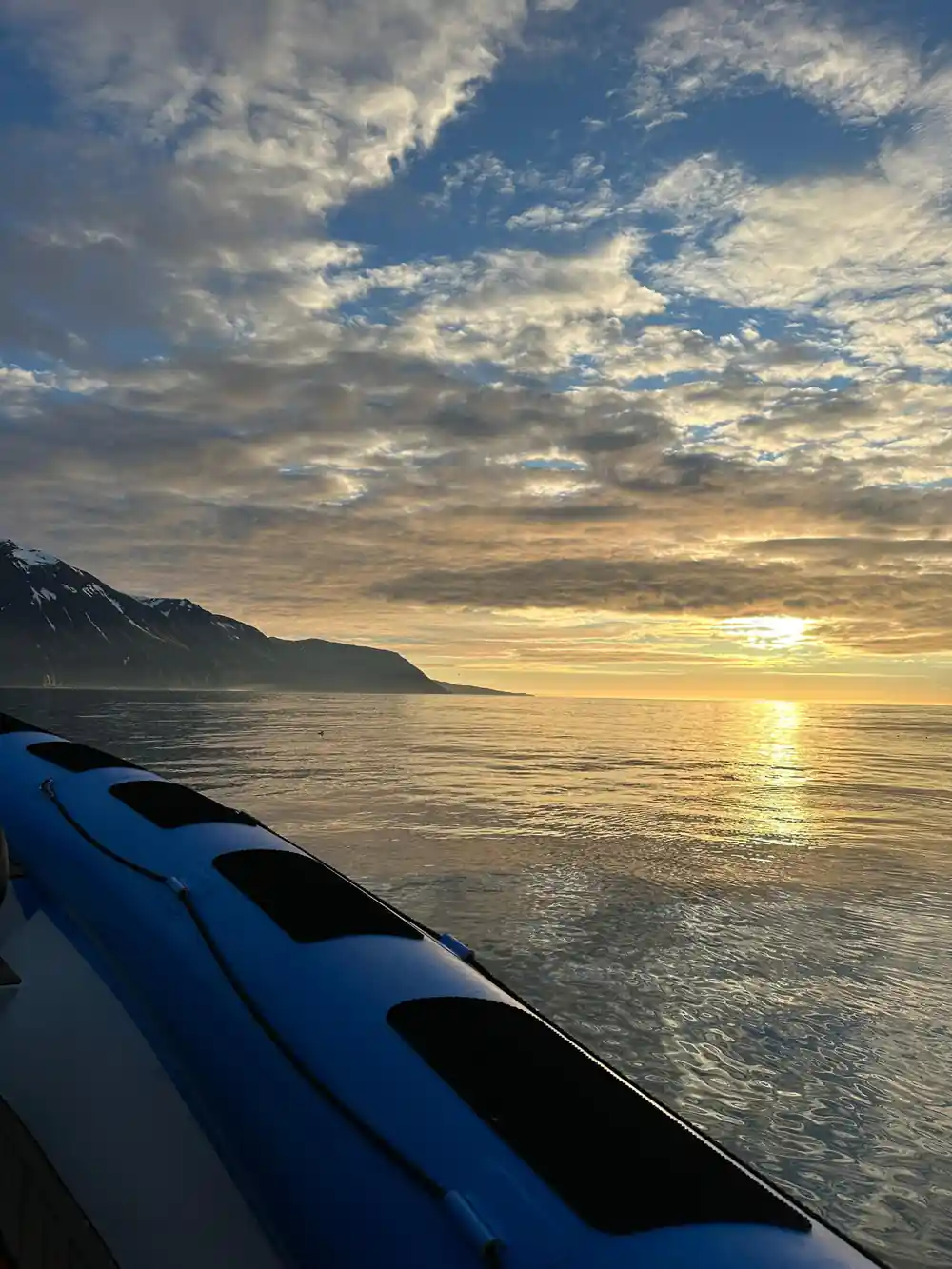
Wind on this coast often follows a daily rhythm. Mornings tend to be the calmest part of the day, and the breeze usually fills in as the land warms and the air starts to move. If you have a choice of departure times, early is often the smoother ride, and it leaves the rest of the day free for the baths, the museum or the drive onward. Late in the season, mornings often come with flat, glassy water.
Late departures have their own appeal in summer. The sun never fully sets from May through August, and the midnight sun peaks around the summer solstice in June, so an evening trip finishes in bright, sideways light.[9] If the afternoon breeze picks up, you spend more of the trip holding on, and the puffins come into their own: Lundey, the low island in the bay, is a nesting ground for around 36,500 active breeding pairs of puffins.[12]
Seasickness: Prevention and Seating
Seasickness has little to do with toughness and a lot to do with the mismatch between what your eyes see and what your inner ear feels. On a boat, the fix is usually fresh air, a horizon to look at and something to occupy your mind. Stand at the back of the deck if you can, keep your eyes on the distant mountains rather than on a phone screen, and stay outside rather than in a cabin where smells and motion are worse.
Plan ahead if you know you are prone to it. Sort out any motion sickness medication before you travel and follow a pharmacist's advice, since timing matters for some tablets. Eat lightly beforehand, skip a heavy, greasy meal and go easy on alcohol the night before. Ginger chews, cold air on your face and a steady gaze at the horizon all help. If you start to feel unwell, tell a crew member early, they see it every week and would rather move you than watch you struggle. The speedboat safari lasts 2 hours, which is short enough that a wobble in the middle rarely ruins the day.[4]
Wind Chill and Cold-Weather Comfort
What catches people out on Skjálfandi Bay is not the air temperature but the wind. Once a boat is moving, the apparent wind rises sharply and cold bites through anything that is not windproof. A thin rain shell over a wool jumper beats a bulky coat that soaks up water. Add a hat that stays on in a gust, gloves you can still use a camera in, and shoes with grip for a wet deck.
A simple set of layers works well: thermal base, fleece or wool mid layer, windproof and waterproof outer layer. If the crew offers you a floatation suit or an insulated overall, take it, those garments are built for this water and are warmer than anything most visitors bring. Afterwards, warm up properly. GeoSea, the geothermal sea baths outside town, keeps its seawater pools at 38 to 39 °C year round, and a soak is a fine way to finish a cold morning on the water.[13]
How travellers rate the Húsavík whale tours
GetYourGuide scores for Húsavík tours: Big Whales and Puffin Island[5], Original Big Whale Safari[4], Family-Run[6] and Whale Watching with Guide[14].
From prices for Húsavík whale trips
From prices in US dollars from the listings:[4][5][6][15]. These listings show a single from price, so the same figure appears for adults and children.
When to book for the water you want
Before you step on board
Pick a morning
Early departures usually meet the calmest water, and they leave the afternoon free for GeoSea or the Whale Museum.
Check the forecast twice
Look at the coastal forecast on the morning of your trip, not the night before, and dress for wind rather than for the town.
Wear the right layers
Thermal base, fleece mid layer, windproof and waterproof outer shell, plus a hat that stays on and gloves you can still use.
Eat light and early
A light meal a couple of hours before departure suits most stomachs better than a heavy one just before you board.
Sit back and look out
Take a seat towards the stern, keep your eyes on the horizon and step outside if you start to feel off.
Book the Original Big Whale Safari and Puffins by Speedboat
from US$172Reserve now & pay later