The essentials
- Húsavík is a small harbour town on the north coast of Iceland, on Skjálfandi Bay, with a population of roughly 2,500.[1]
- Húsavík is normally reached by road, from Akureyri, Mývatn or Reykjavík, and there is a small airfield on the edge of town for light aircraft.
- Commercial whale watching in Iceland began in Húsavík in 1995, and boats still leave from the harbour in the middle of town.[2]
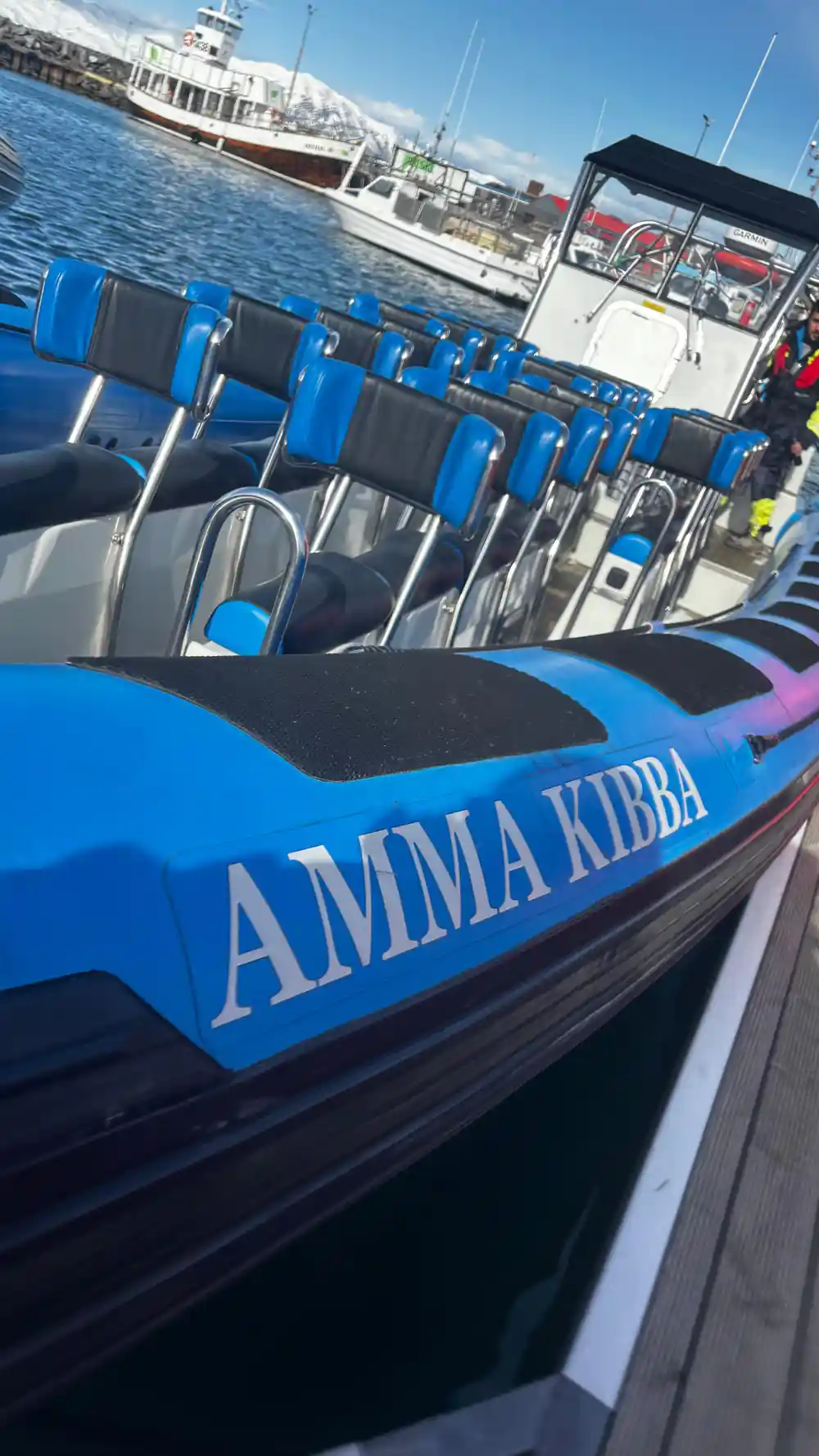
- The Original Big Whale Safari and Puffins by speedboat runs for 2 hours from Húsavík harbour, from US$171, and stops at Puffin Island and Skjálfandi.[3]
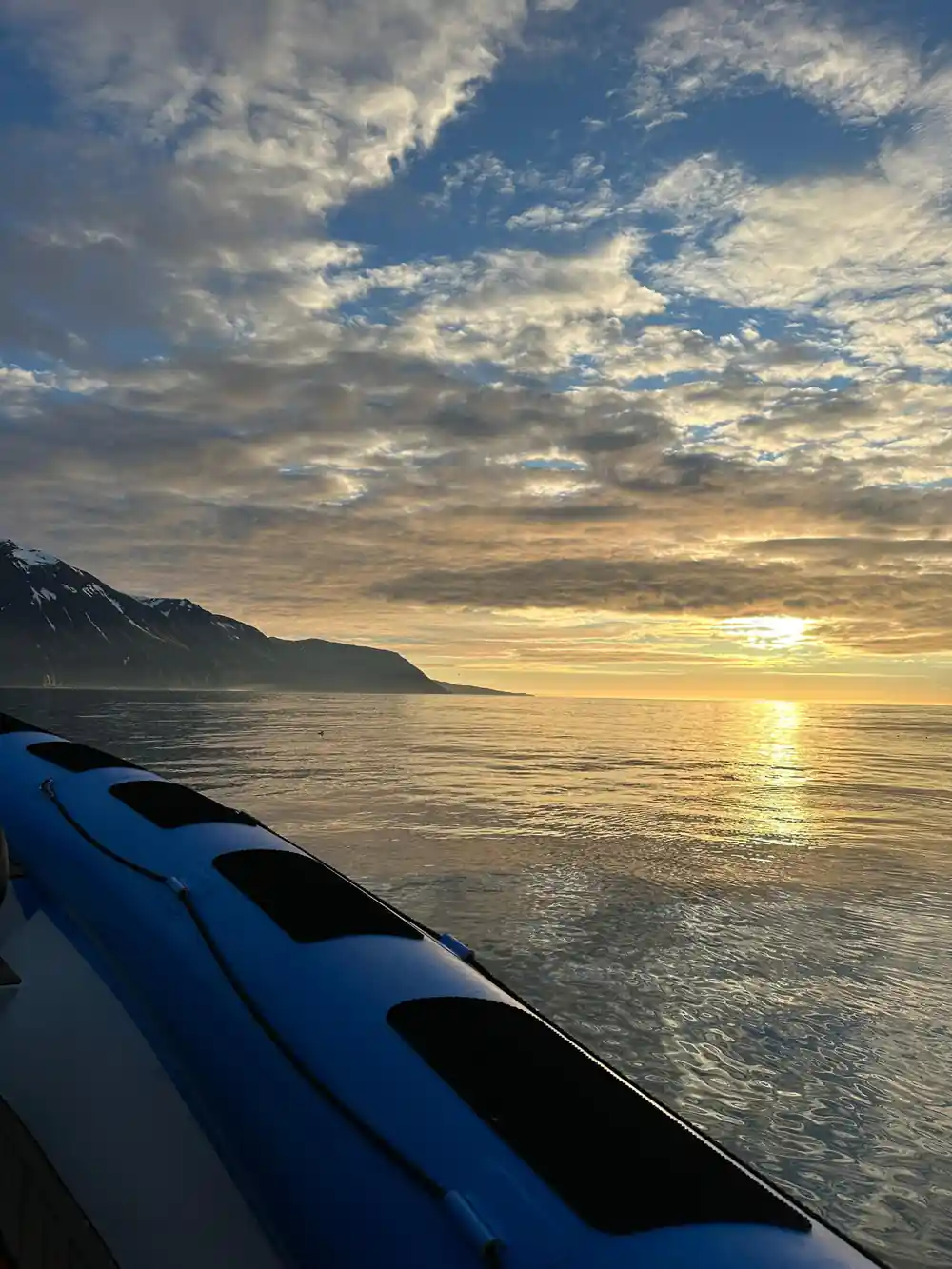
- The sun never fully sets from May through August, and the midnight sun peaks around the summer solstice in June.[4]
- Top choice Original Big Whale Safari from US$171 Duration2 hours[3]Rating4.73 from 1,423 reviews[3]Good forSpeedboat whale watching with puffins Check availability
- Big Whales & Puffin Island from US$164 Duration2 hours[5]Rating4.83 from 1,059 reviews[5]Good forSpeedboat out to Puffin Island See this tour
- Original Whale Watching from US$99 Duration3 hours[6]Rating4.63 from 2,958 reviews[6]Good forWheelchair accessible whale watching[6] See this tour
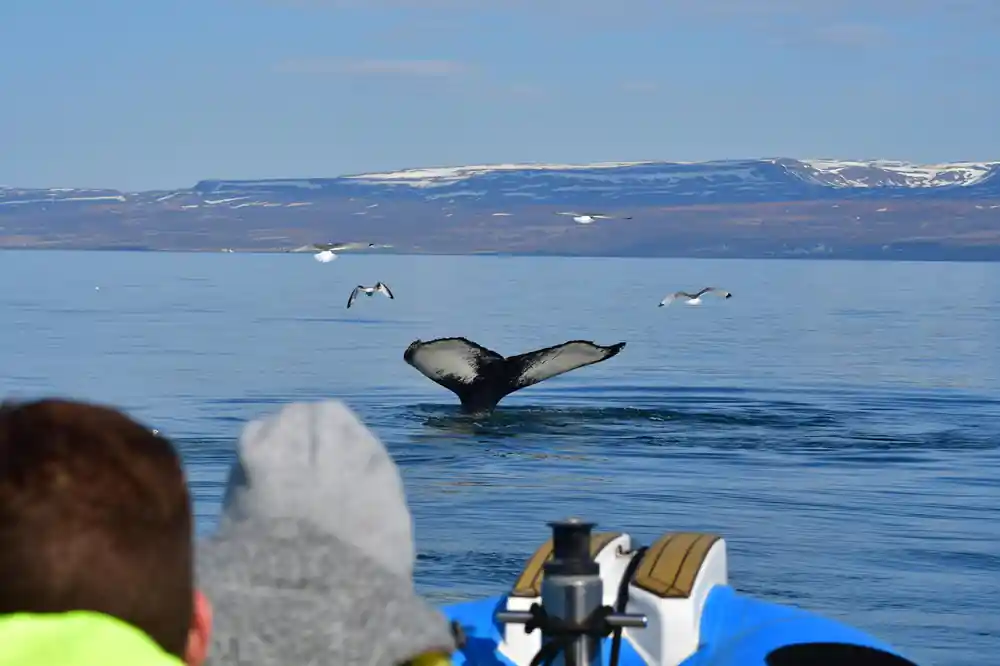
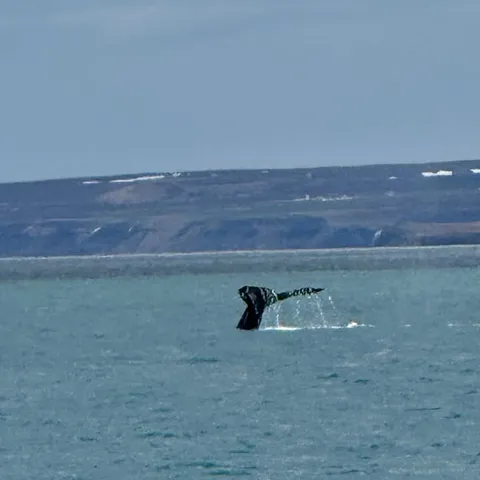
Commercial whale watching in Iceland began here in 1995, and the town's reputation as Iceland's whale-watching capital has only grown since.
Our verdict: sail, then soak
Getting there and parking
- Coaches and buses run to Húsavík from Akureyri, and seats are worth booking ahead in summer.
- Top up fuel and supplies in Akureyri before the last stretch north.
- Harbour parking is a short walk from the ticket centre and the boat berths.
- Check road conditions and wind warnings before you set off from the last town.
On the water and around town
- Dress in a thermal base layer, a fleece and a windproof shell, even in midsummer.
- Take sunglasses and sunscreen; the light on the water is bright even under cloud.
- Arrive at the ticket centre with time to spare before your departure.
- Bring your booking confirmation so check-in at the counter is quick.
Where Húsavík Is and How the Town Fits Together
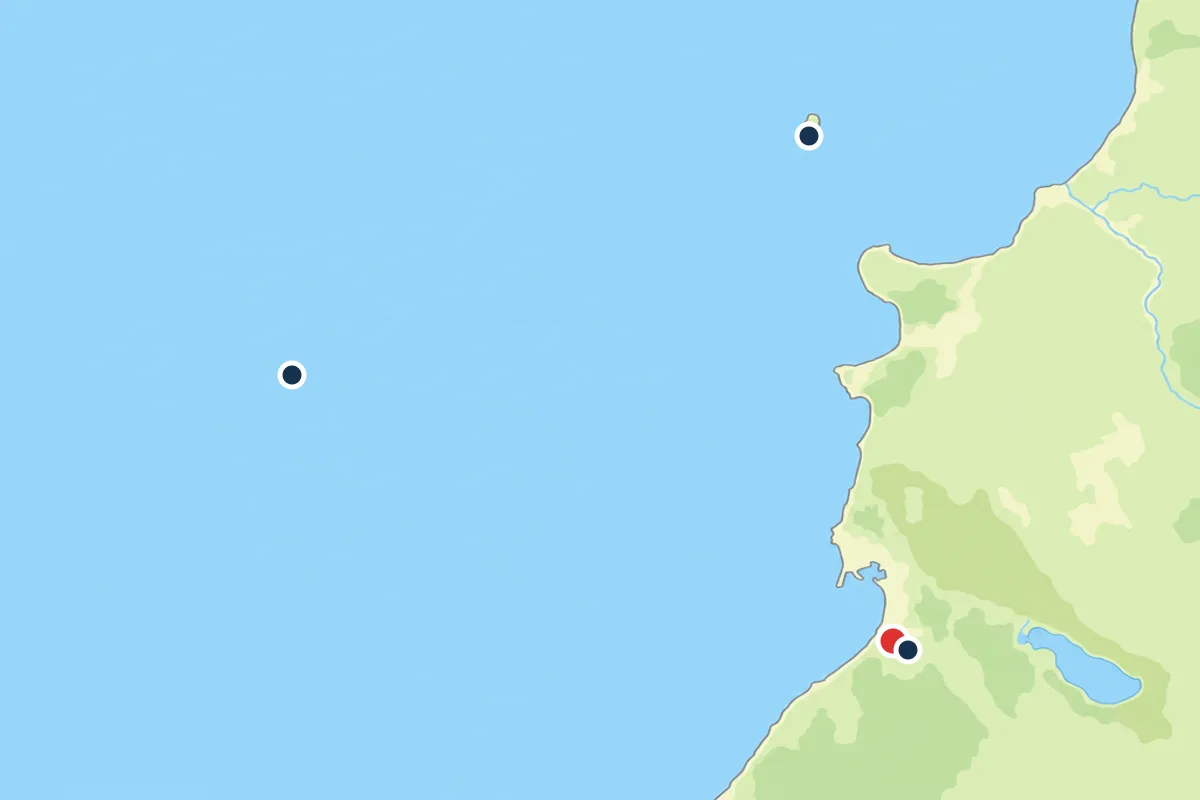
Húsavík sits on the north coast of Iceland, on the eastern shore of Skjálfandi Bay, with mountains behind it and open water in front. The bay is about 28 kilometers wide at its widest point and about 25 kilometers long.[7] The town is small, with a population of roughly 2,500[1], and almost everything a visitor needs, the harbour, the ticket centre, the cafés and the museum, sits within a short walk of the waterfront. Even the name is a piece of local history: according to the Settlement Book, Garðar and Náttfari set up their winter camp in Skjálfandi Bay and built a house in Húsavík, which means 'the house bay'.[8]
Whale watching is the reason the town is on the map. Commercial whale watching in Iceland began in Húsavík in 1995[2], and boats still leave from the middle of town. On land, the Húsavík Whale Museum was founded in 1997 and works to explain whales and their habitat[9], while GeoSea, on the cliffs just outside town, fills infinity pools with seawater from geothermal boreholes kept at 38 to 39 °C year-round.[10] How long to spend in Húsavík is really a question about how much of that you want: a boat trip, a museum and a soak can all fit into one unhurried day.
Sightings in the bay have been logged for decades. North Sailing, which runs tours from Húsavík, reports a 97% overall whale sighting success rate based on sightings in Skjálfandi Bay since 1995[11], and notes that on its tours there is a chance to encounter up to 11 different cetacean species.[11] Humpbacks give a sense of the scale of the animals out there: humpbacks in the Northern Hemisphere average 49 to 52 feet long, southern humpbacks reach 60 feet, and mature adults weigh 50,000 to 80,000 pounds.[12]
Driving from Akureyri to Húsavík
Akureyri is the natural starting point for the last leg. One road runs inland through the valley and over the moor, the other follows the western shore of the bay, with Húsavík visible across the water for a long stretch before you round the headland. Both are paved, and the coastal line gives you the water views while the inland line stays closer to the farms and the river.
The Húsavík road is easy to follow but exposed. Wind can move a small car on the open stretches, and sheep, single-lane bridges and gravel shoulders all ask for attention. Fill the tank in Akureyri, check the road and weather pages before you leave, and if you are heading straight for a sailing, build in slack so that a slow lorry or a photo stop does not cost you the boat.
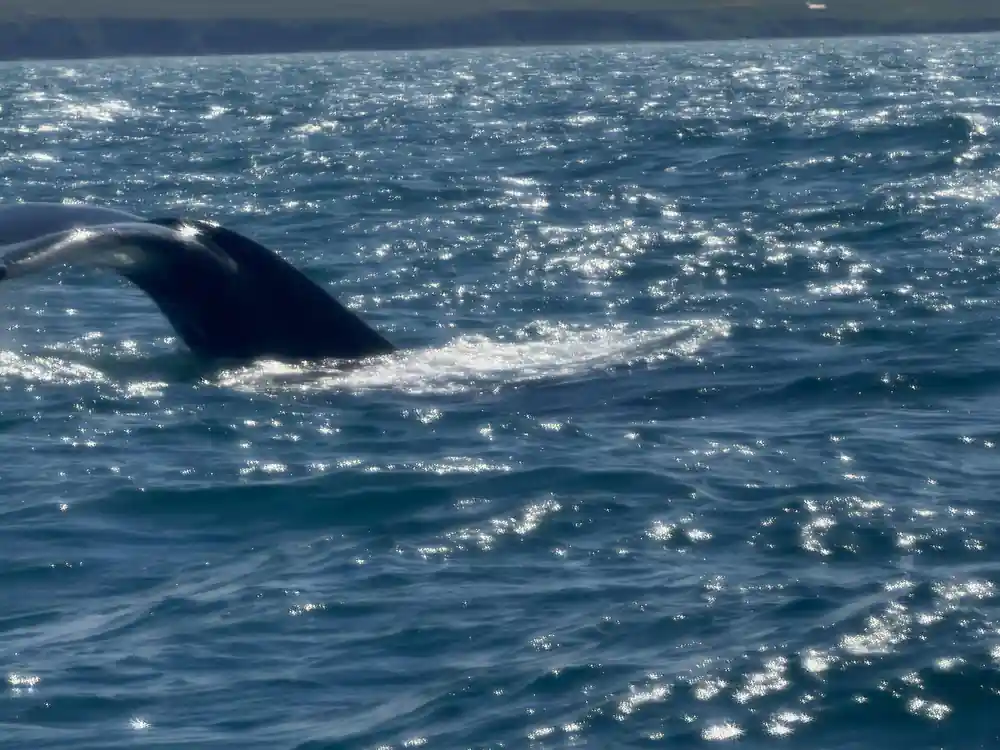
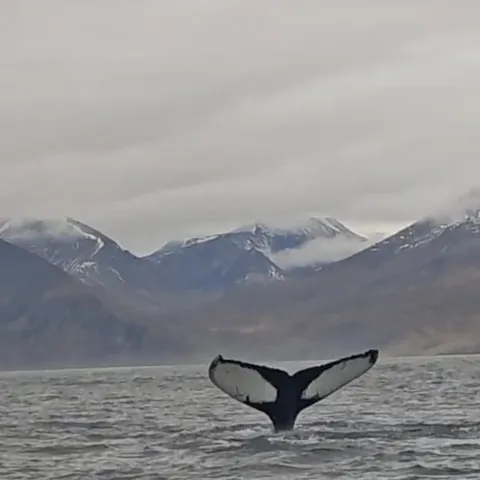
Flukes up in calm water, with the mountains of the north coast behind
The Long Drive from Reykjavík in One Day
You can drive from Reykjavík to Húsavík in a single day, and plenty of people do, but it is a long one, and it is worth deciding early whether you want to arrive fresh or simply arrive. The route runs north through Borgarfjörður, over the high ground towards Varmahlíð, down into Akureyri and then around the bay, with the scenery shifting from mossy lava to farmland to bare northern mountains.
If the drive is the point of the day, stop along the way. There are hot springs, waterfalls and small towns to break the journey, and Akureyri has the last big supermarkets and fuel stops before Húsavík. If the sailing is the point, arrive the night before and sleep in town. Weather, roadworks and the plain length of the drive all eat into a tight timetable, and a missed departure is a bad start to a holiday.
Coming from Mývatn and Goðafoss
Coming from the east, you drive through the waterfall and lake country of the north. Goðafoss, where the ring road crosses the river, is an easy stop with paths on both sides of the water. Further east, Mývatn spreads out among lava fields, craters and steaming ground, and the smell of sulphur follows the road for a while.
The drive into Húsavík from that side crosses open country before the bay appears below you. Puffin Island, the low island out in the water, is a nesting ground for around 36,500 active breeding pairs of puffins[13], and on a summer evening the air above it is busy with birds. If you can, time your arrival so that you can pull over at the viewpoint above town rather than press straight on to the harbour.
from US$171
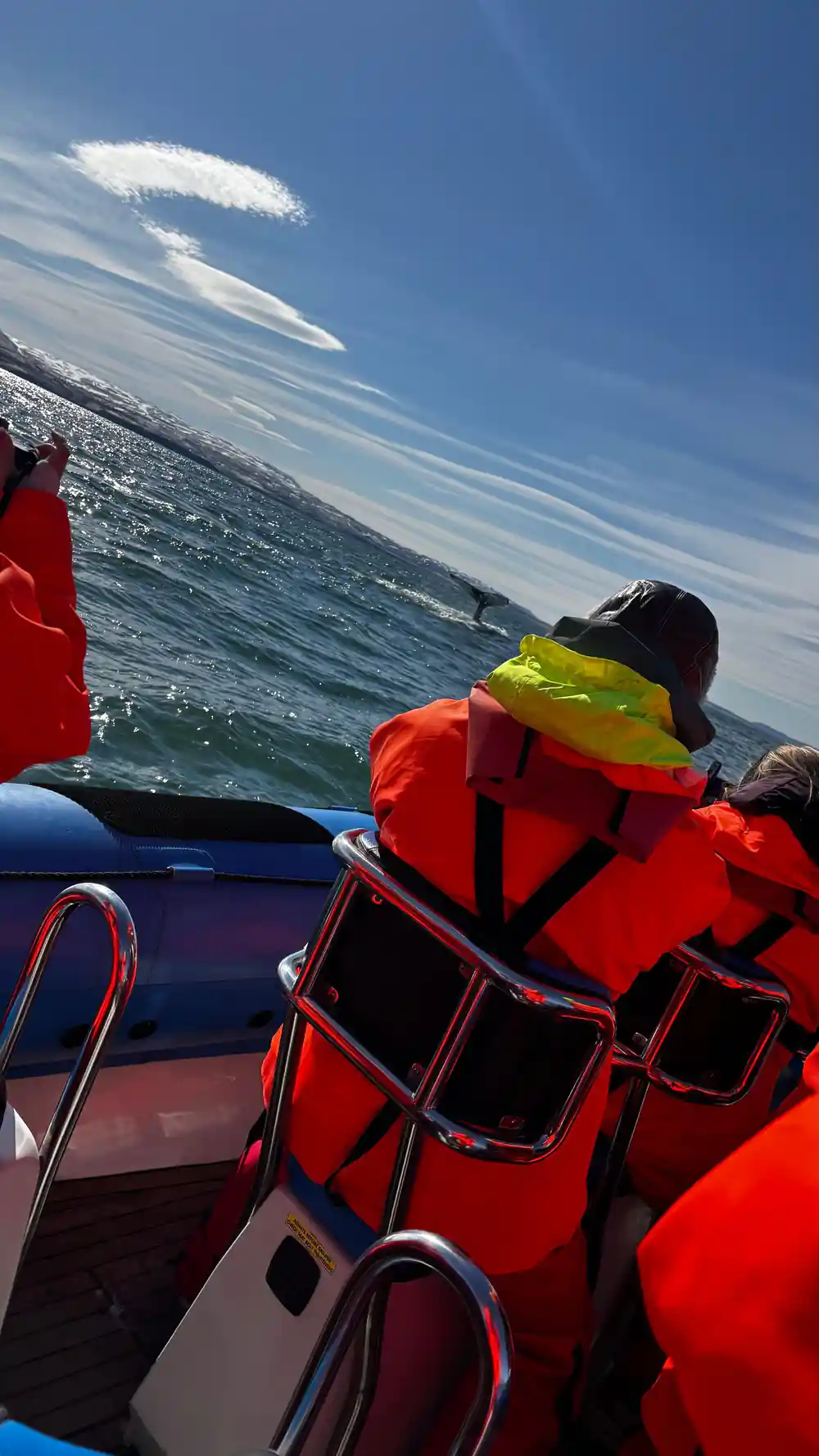
The Original Big Whale Safari and Puffins by Speedboat leaves Húsavík harbour for Puffin Island and Skjálfandi, with a live English-speaking guide on board.[3]
Can You Fly to Húsavík? Airfield and Nearby Options
Yes, there is an airfield at Húsavík, on the edge of town above the bay, and it takes light aircraft and the occasional scheduled service. It is not the main gateway, though. For this corner of the country the usual flying route is into Akureyri and then a car, a bus or a transfer for the last stretch, or into Keflavík with the whole drive ahead of you.
Treat flying in the north as weather dependent. Flights can be delayed or moved, and a windy day on the bay can make the water rough at the same time. If you are flying in and sailing out within a day, leave a wide gap between the two and keep the booking flexible: the safari offers free cancellation, and you can cancel up to 24 hours in advance for a full refund.[3]
Parking, the Harbour and the Ticket Centre
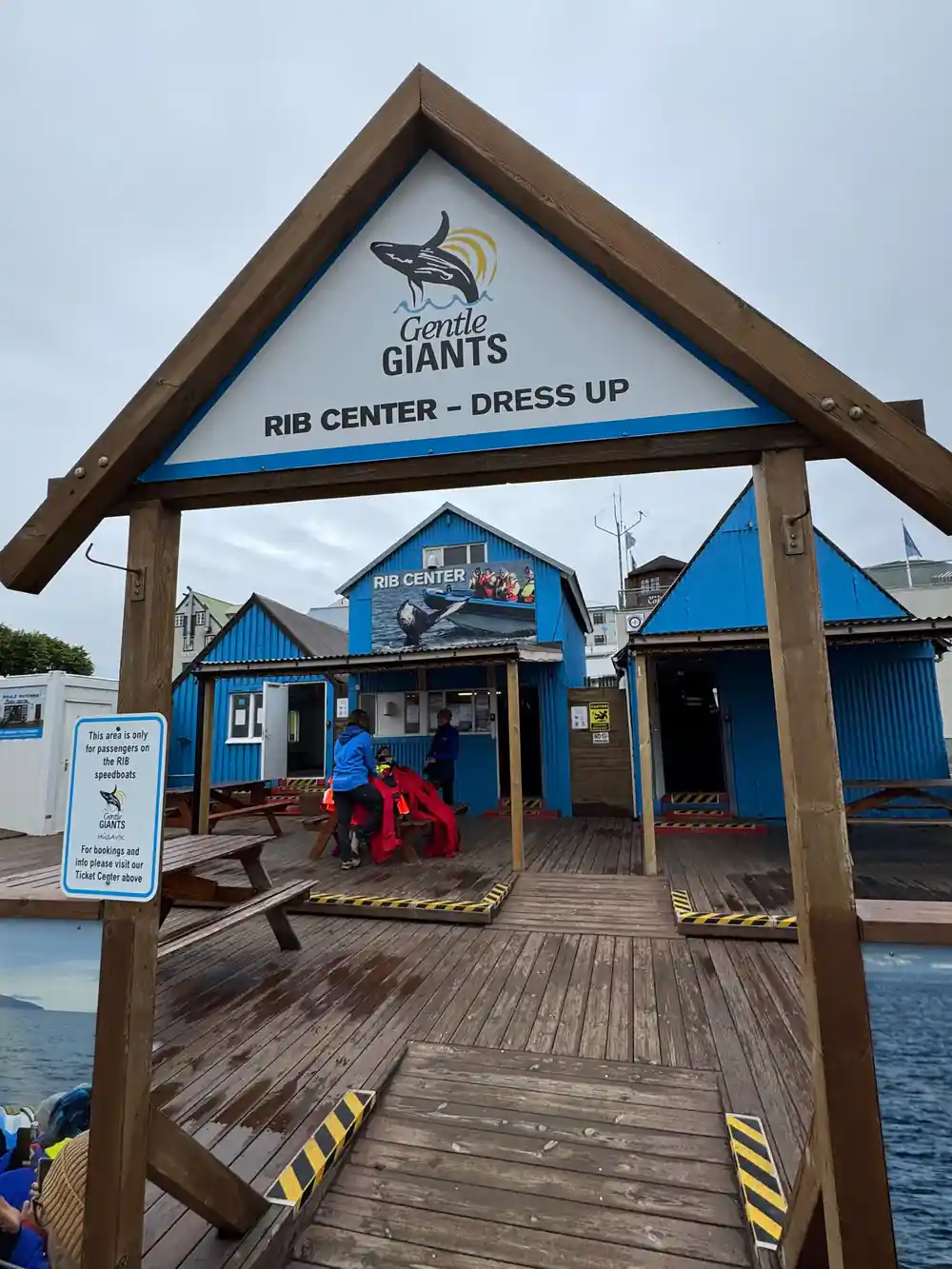
Húsavík harbour is the centre of the water side of town, and it is where the whale safari begins. The tour starts at Húsavík, calls at Puffin Island and then heads into Skjálfandi.[3] Parking sits by the harbour, a short walk from the berths and the ticket centre, so you can leave the car once and walk to the boats, the cafés and the museum.
Check in with your booking confirmation and arrive with time in hand. Use the wait to fetch extra layers from the car; the water in Skjálfandi Bay averages 8.8 C in summer[14], and an open boat is cold even in bright weather. There is a live guide who speaks English on board[3], and the briefing before departure is worth listening to properly. Once you are back on land, the harbour cafés are close enough to walk to while you warm up.
Timing Your Arrival, Dettifoss and Ásbyrgi
Starting times vary by date, so check availability to see the times for the day you want[3] and work backwards from there. Aim to reach Húsavík well before departure, especially in summer when campers and coaches fill the roads. If you arrive early, the town fills the time easily: watch the boats, walk the harbour and save the museum for a wet afternoon. Watching from shore has its own tricks; the Whale Trail suggests looking for other people who are watching marine mammals, and especially for boats that have stopped.[15]
East of Húsavík there are two big stops that fit around a sailing. Dettifoss pours over a black basalt edge, and Ásbyrgi is a horseshoe canyon in birch woods, both within the national park country to the east. Do one of them before a late sailing or after an early one rather than trying to squeeze both around the boat, and allow for gravel stretches that slow you down when wet. The drive back into town at the end of a bright evening is one of the pleasures of a northern summer, since the sun never fully sets from May through August.[4]
How long each Húsavík whale tour lasts
Durations as listed on each GetYourGuide tour page:[3][5][6][16][17]
What each Húsavík tour costs from
All amounts are adult from-prices in US dollars, taken from these listings:[3][5][6][16]
When to plan your Húsavík arrival
Your arrival, step by step
Plan the drive
Choose your route from Akureyri, Mývatn or Reykjavík and check road and weather conditions the night before.
Park at the harbour
Leave the car by the harbour, a short walk from the ticket centre and the berths where the boats tie up.
Check in and kit up
Show your booking at the ticket centre, collect what you need and listen to the safety briefing.
Sail to Puffin Island
The safari leaves Húsavík harbour, calls at Puffin Island and heads into Skjálfandi.[3]
Soak and slow down
Finish with the geothermal baths or the Whale Museum, both a short walk or drive from the harbour.
Book the Húsavík speedboat safari and sort the drive afterwards
from US$172Reserve now & pay later