The essentials
- The midnight sun runs from May through August in Iceland, with the brightest nights around the summer solstice in June.[1]
- Skjálfandi Bay is about 28 kilometers wide at its widest point and about 25 kilometers long.[2]
- The Original Big Whale Safari and Puffins by Speedboat takes 2 hours and is from US$171.[3]
- Lundey, or Puffin Island, is a nesting ground for around 36,500 active breeding pairs of puffins.[4]
- Summer sea water in Skjálfandi Bay averages 8.8 C, so take the float suit and a warm hat.[5]
- Top choice Original Big Whale Safari from US$171 Duration2 hours[3]Rating4.73 from 1,423 reviews[3]RouteHúsavík, Puffin Island, SkjálfandiCancellationCancel up to 24 hours in advance[3]Guide languageLive guide in English[3] Check availability
- Big Whales & Puffin RIB from US$164 Duration2 hours[6]Rating4.83 from 1,059 reviews[6]RouteHúsavík, Puffin Island, SkjálfandiCancellationCancel up to 24 hours in advance[6]Guide languageLive guide in English[6] See this tour
- Family-Run Whale Watching from US$85 Duration3 hours[7]Rating4.70 from 1,987 reviews[7]RouteSkjálfandi BayCancellationCancel up to 24 hours in advance[7]Guide languageLive guide in English[7] See this tour
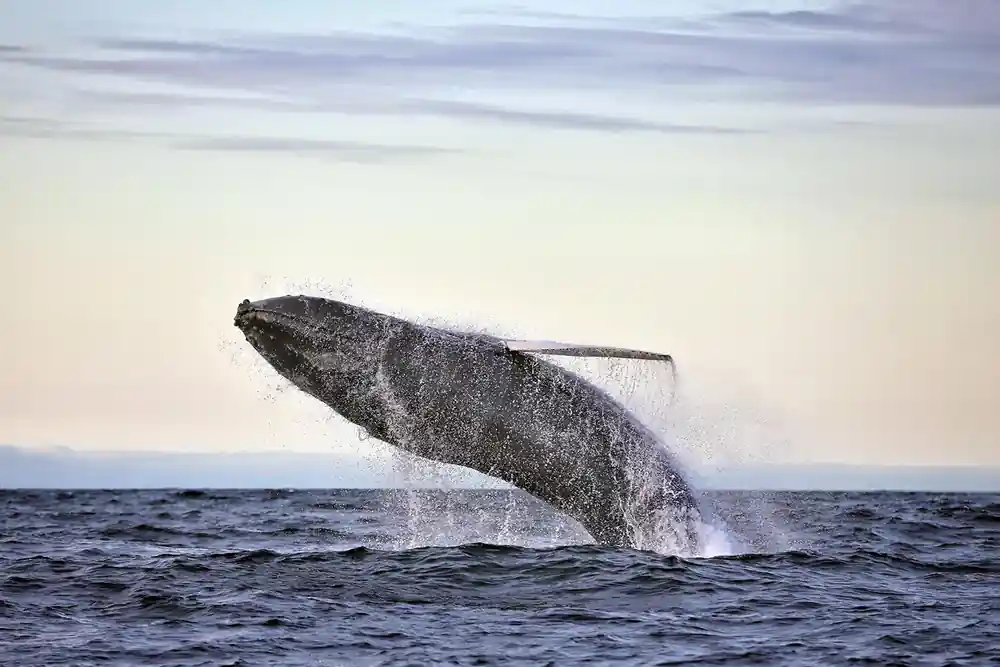
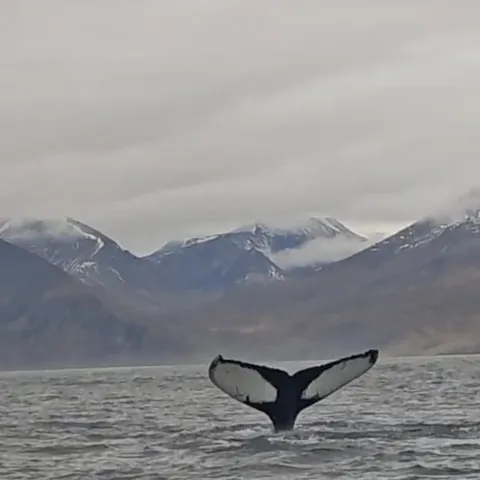
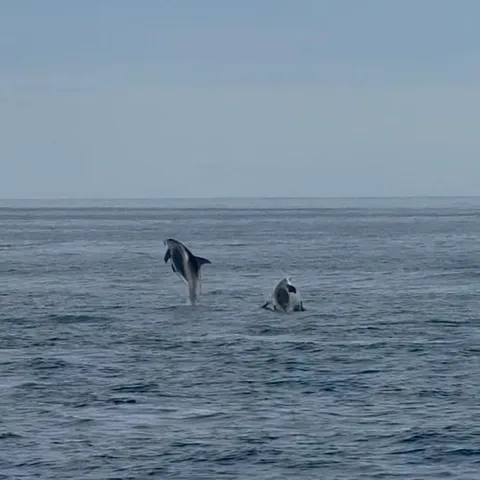
The days are extremely long during summertime in Iceland. The midnight sun peaks around the summer solstice in June, but the sun never fully sets from May through August, so the nights stay bright right across the island.
Is the midnight sun speedboat safari worth it?
Getting ready
Midnight sun whale watching in Húsavík
Húsavík sits on the shore of Skjálfandi Bay in north Iceland, a harbour town of roughly 2,500 people where commercial whale watching in Iceland began in 1995.[9][10] The bay the boats work is generous, about 28 kilometers wide at its widest point and about 25 kilometers long, with cold, nutrient-rich water and long, low mountains along the far shore.[2] The harbour sits in the middle of town, a short walk from most guesthouses.
The light is what makes a late sailing here so unusual. The sun never fully sets in Iceland from May through August, so the nights stay bright right across the island, and the midnight sun peaks around the summer solstice in June.[1] A late departure in that window happens in daylight: you head out into silver-blue water with the mountains still lit, and you come back to harbour in what looks like mid-afternoon.
Whale watching from Húsavík is a coastal trip rather than a long ocean crossing. The bay is sheltered, the run out to the feeding grounds is short, and the boats work the same water where humpbacks, minkes and white-beaked dolphins turn up in summer. On a bright evening there is usually a breeze, and the air cools once a boat picks up speed, so do up the warm suit the crew hands you rather than wearing it loose.
When the sun stays up over Skjálfandi Bay
The midnight sun is a season rather than a single night. In Iceland the sun never fully sets from May through August, and the brightest stretch peaks around the summer solstice in June.[1] Up here in the north that means weeks of evenings when the sky only shifts from gold to pink to pale grey before brightening again, with no real darkness in between.
Bright nights change how you plan a day, not just an evening. You can eat late, drive out to the headland or walk the harbour late at night and still have light for the drive back. Sleep can be elusive during the bright weeks, and an eye mask for the bedroom is a small kindness to yourself.
For planning, the useful question is not whether there will be light but whether there will be whales and calm water. Wind is the great variable in the bay, and a bright evening with a stiff breeze can still be a bouncy ride. Aim for the middle of the bright window if you can, and leave yourself a second evening in town as a backup.
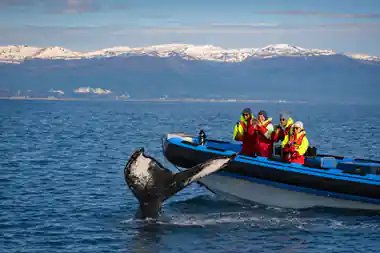
A humpback fluke rises over the pale water of Skjálfandi Bay on a bright June night.
The best time of day to be out on the water
Ask about the Húsavík whale watching best time of day and most people will tell you the light matters less than the wind. Calm mornings and calm evenings usually give the best viewing, when the surface is glassy enough that a blow or a fluke stands out clearly. A breezy afternoon chops the bay up, hides spouts in the glare and makes a fast boat feel much faster.
The odds here are good. North Sailing says its Húsavík whale watching tours have had a 97% overall whale sighting success rate based on sightings in Skjálfandi Bay since 1995, and notes that there is a chance to encounter up to 11 different cetacean species on its tours.[11] Those numbers come from one operator and cover its own trips, but they say a lot about how rich this water is.
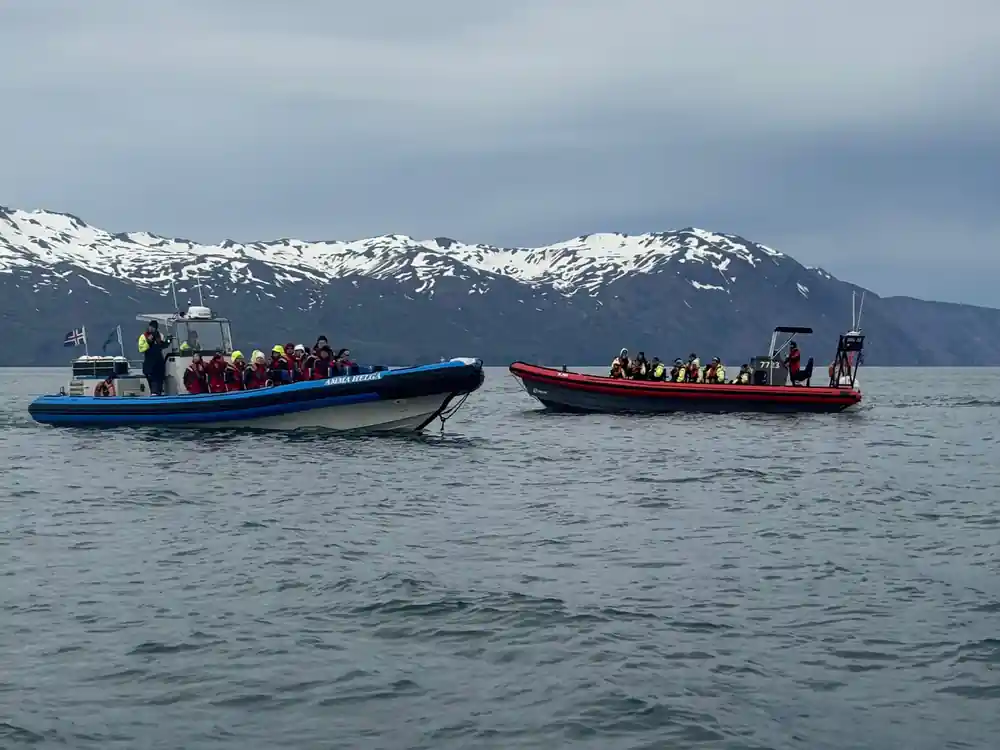
While you are out on the bay, watch the other boats as well as the sea. The Whale Trail advises that one of the best ways to find marine mammals is to look for other people who are watching them, especially stopped boats.[8] A boat that has slowed to a stop has almost certainly found something, and the direction everyone faces tells you where to point your binoculars.
Whales, puffins and the rest of the bay
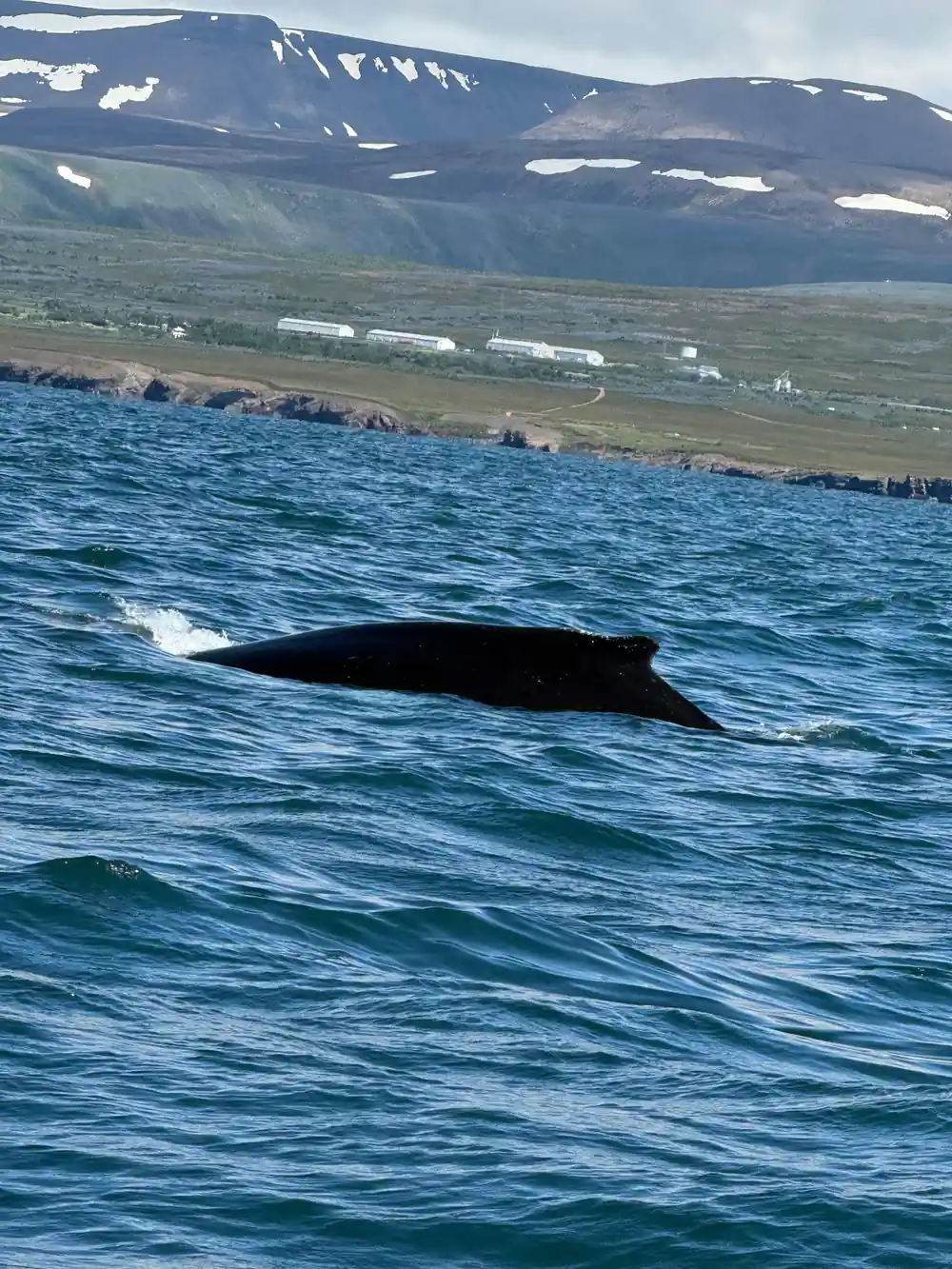
Humpbacks are the stars of a Húsavík summer. Humpbacks found in the Northern Hemisphere reach an average length of 49 to 52 feet, and the average weight for a mature adult is 50,000 to 80,000 pounds.[12] Watching an animal of that size lift its whole tail clear of the water, or throw itself out in a breach, is the moment most people remember afterwards.
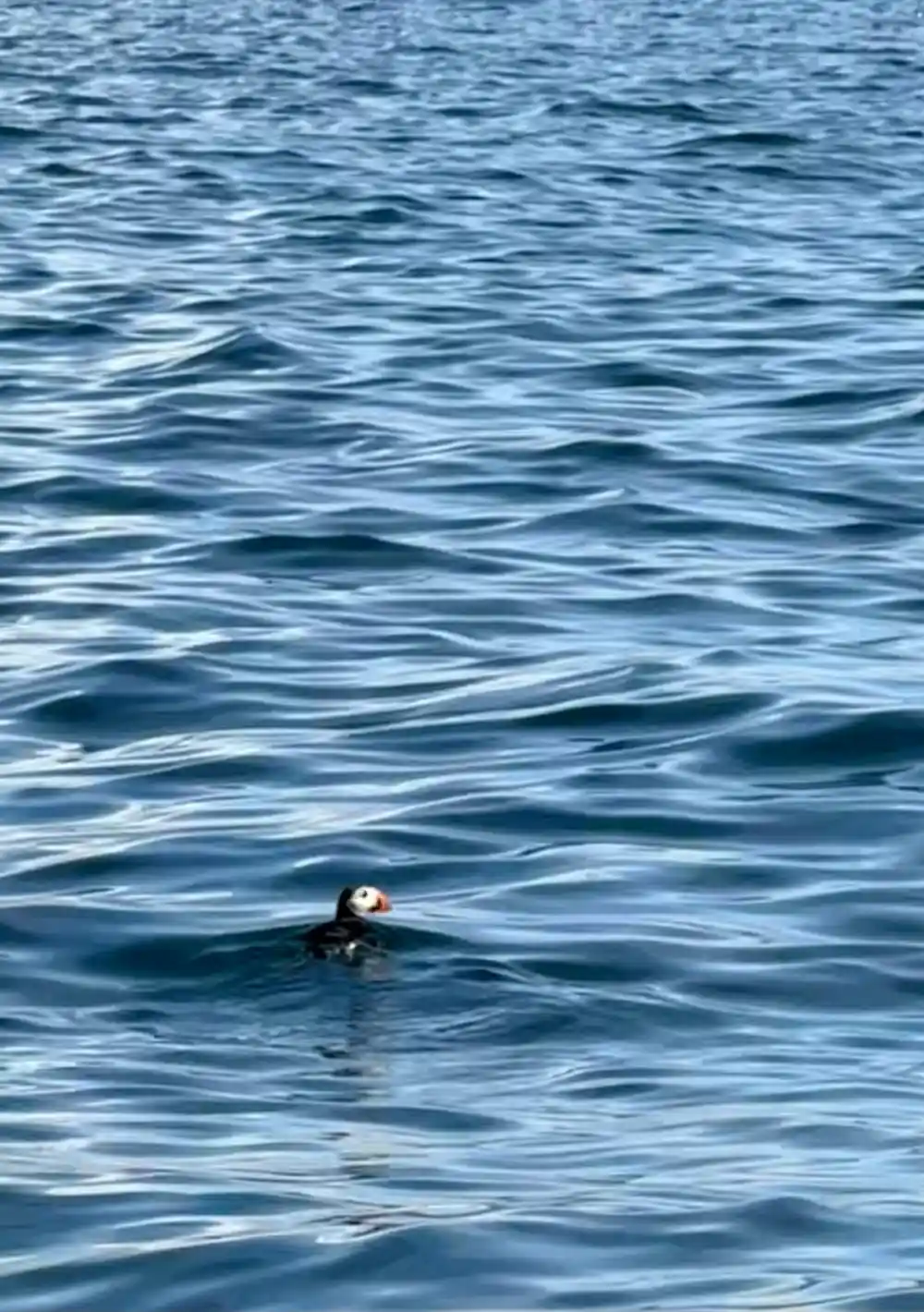
Puffins are the second act, and in summer they are easy to find. Lundey, known locally as Puffin Island, is described as a nesting ground for around 36,500 active breeding pairs of puffins.[4] The birds raft on the water in loose groups, then buzz back to the grassy slopes on whirring wings, tiny and comic next to a whale.
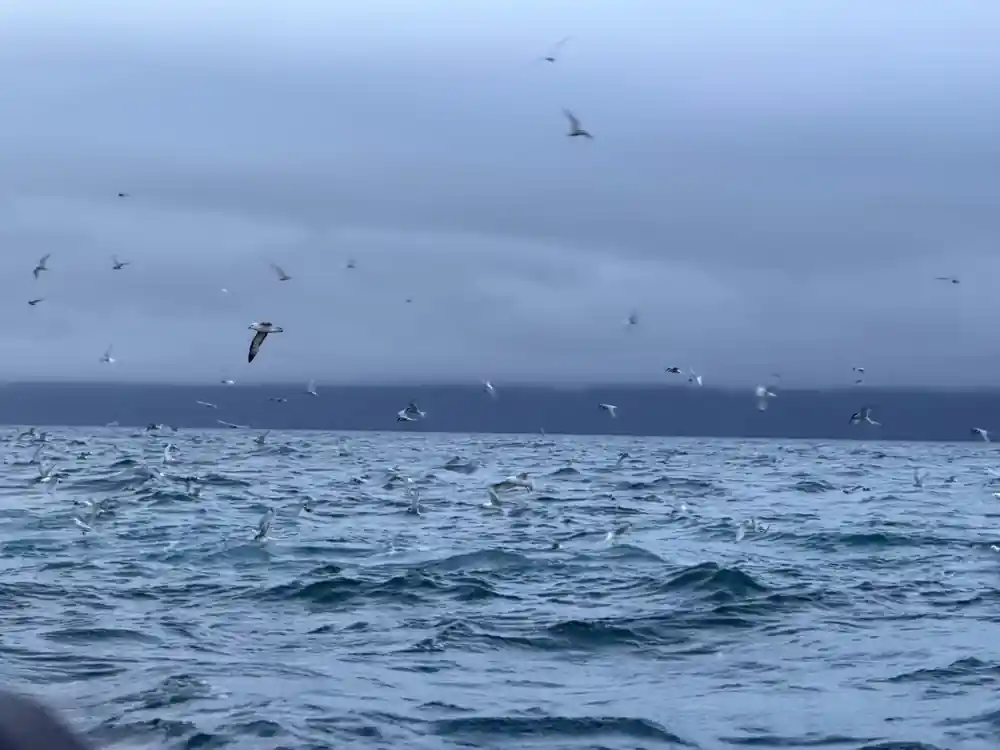
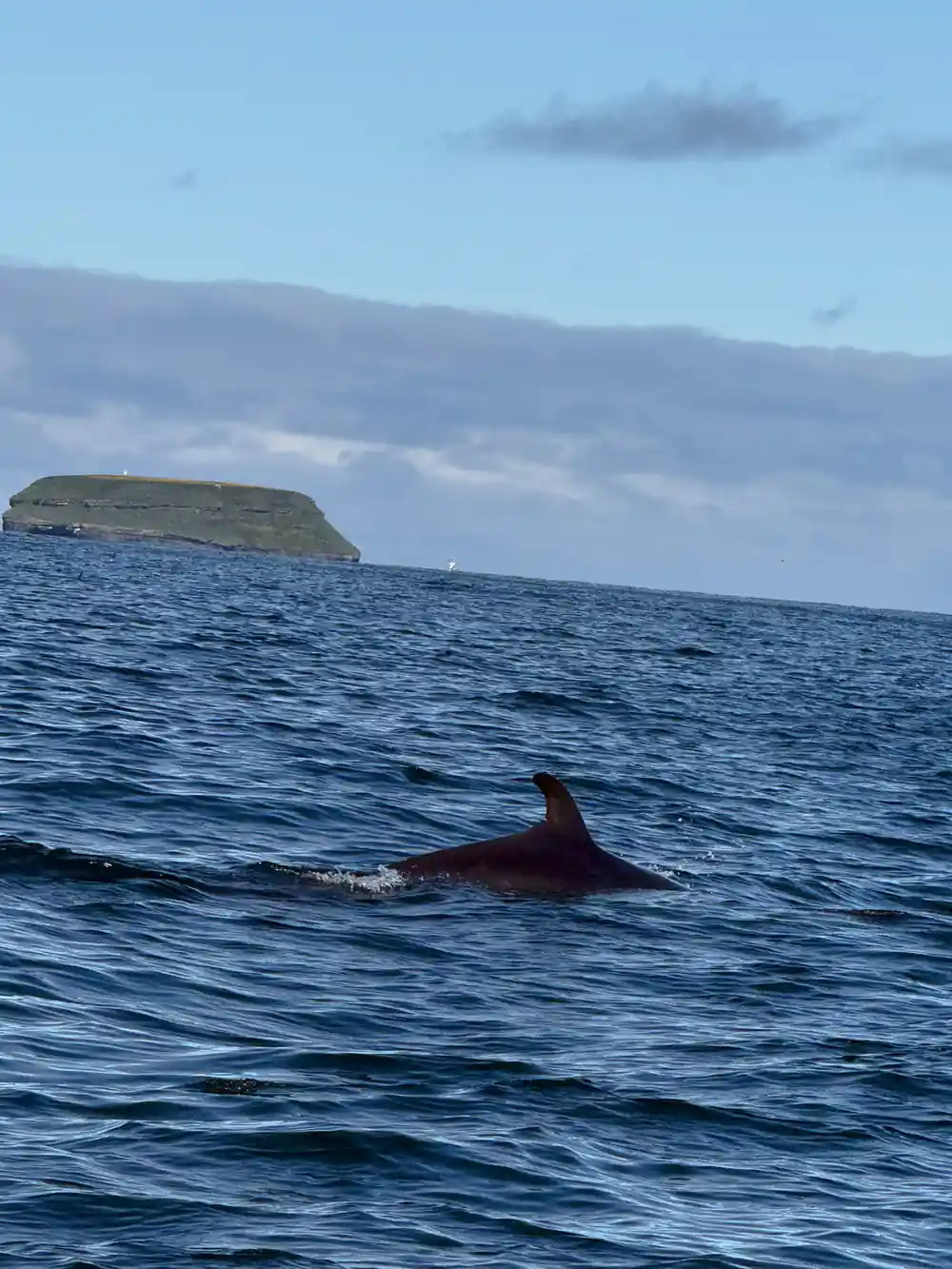
Minke whales, white-beaked dolphins and harbour porpoises also turn up, along with seals on the skerries, gannets folding into the water and crowds of gulls, guillemots and fulmars. No species is guaranteed on a given sailing, and that uncertainty is part of the appeal. Guides talk to one another over the radio, and a quiet first half hour can turn into a busy second one.
from US$171
The speedboat tour booked from this site runs 2 hours, calling at Puffin Island and Skjálfandi from Húsavík.[3]
Which boat suits a bright night sailing
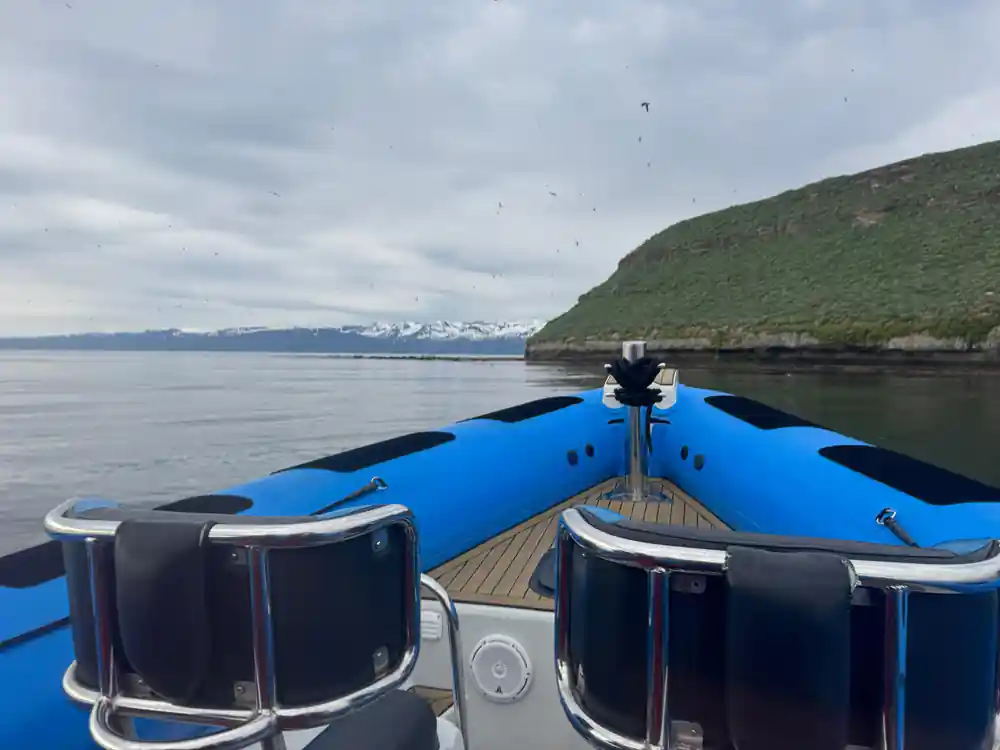
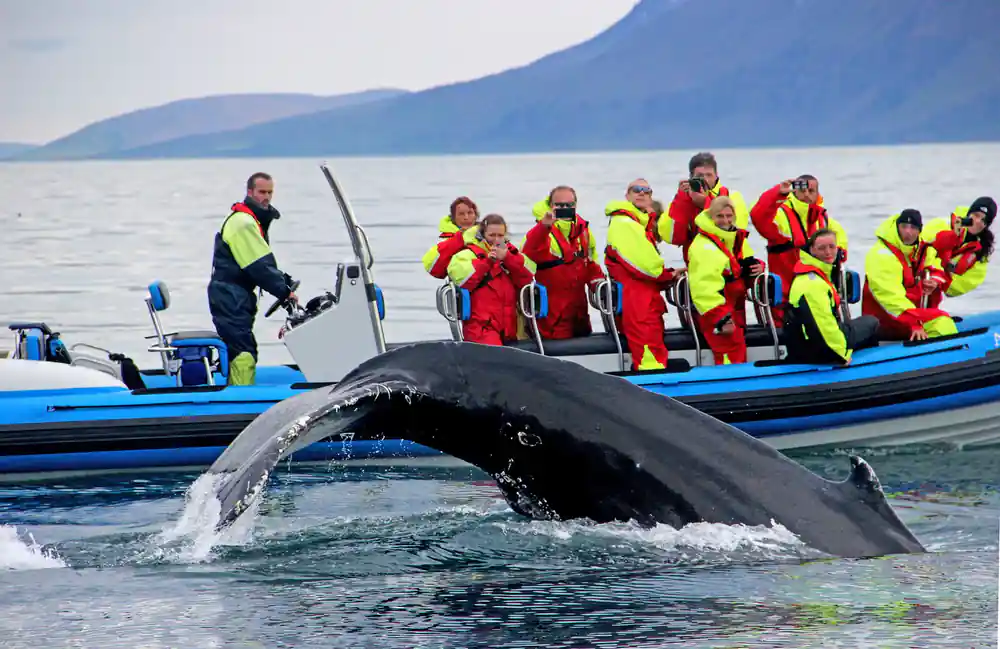
The fleet splits into two moods. Classic oak boats are steady and roomy, with space to stand and walk about while you scan the water. Speedboats and RIBs sit low, move fast and put you much closer to the surface, which means you cover more of the bay in a shorter trip. For a sense of that pace, the RIB Express has a comfortable cruising speed of 32 knots.[13]
The tour booked from this site is the Original Big Whale Safari and Puffins by Speedboat, from US$171 for 2 hours, rated 4.73 from 1,423 reviews with breakdown scores of Guide 4.8, Transportation 4.9 and Value for money 4.5.[3] It runs with a live guide in English, stops at Húsavík, Puffin Island and Skjálfandi, and offers free cancellation up to 24 hours in advance for a full refund.[3]
Two other options are worth weighing up. The Big Whales and Puffin Island Speedboat Tour is from US$164 for 2 hours and rated 4.83 from 1,059 reviews, while the classic Whale Watching Tour with Guide is from US$99, runs 3 hours and is rated 4.63 from 2,958 reviews.[6][14] The family-run tour is from US$85 over 3 hours and rated 4.70 from 1,987 reviews.[7]
What to wear and how to plan the evening
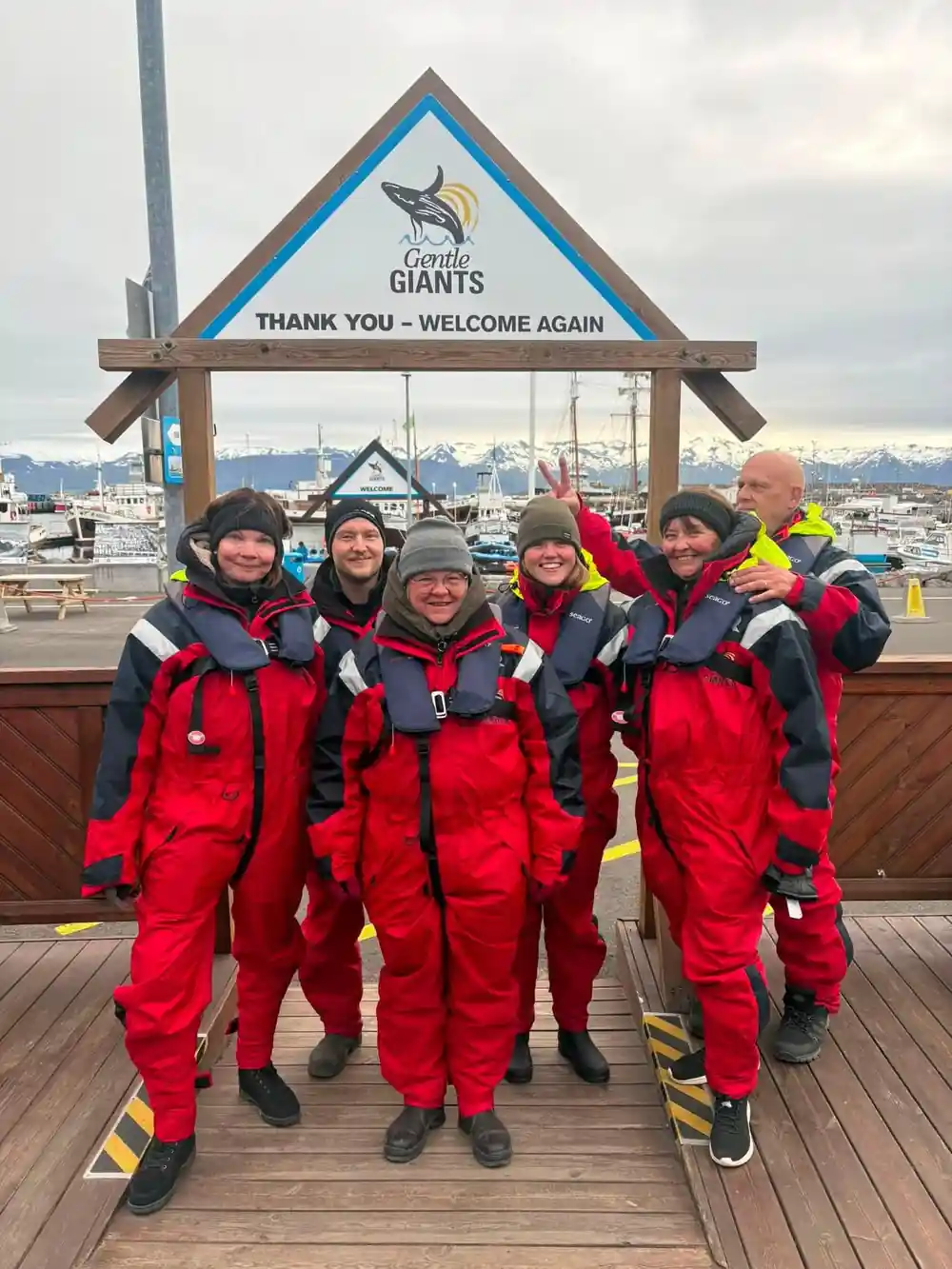
The sea is colder than the shore, whatever the forecast promises. The average sea water temperature in Skjálfandi Bay rises to 8.8 C in summer, so the water feels cold even on a warm afternoon.[5] Boats supply float suits, and the trick is to wear one done up properly over a warm mid layer, with a hat, gloves and closed shoes underneath.
Sunglasses are not a joke on a late sailing. A low sun across the water is hard on the eyes, and a thin neck warmer saves a lot of squinting when the boat turns. Keep a camera in a zipped pocket where cold hands can reach it, and pack a dry bag for anything that must stay dry. If you are prone to seasickness, take your usual remedy before you leave the harbour rather than once you are out there.
Book ahead for the bright weeks and read the listing before you pay. Starting times vary by date, so check availability when you book, and many tours offer reserve now and pay later with free cancellation up to 24 hours in advance.[3] Weather can change plans at short notice, so leave a spare evening in Húsavík if whale watching is the reason for your trip.
Making a day of it in Húsavík
The Húsavík Whale Museum was founded in 1997 with the aim of providing detailed and interesting information about whales and their habitat.[15] It is a good place to spend an hour before a sailing, when the shapes, sizes and habits of the animals are easier to take in.
After a cold, fast ride, the GeoSea geothermal sea baths are the obvious next stop. The infinity pools are filled with seawater from geothermal boreholes kept at 38 to 39 °C year round, and entry starts from US$60.[16][17] Sitting in warm sea water on a cliff above the bay while the light refuses to go is a very Húsavík way to end the day.
The town's name is part of the story. According to the Settlement Book, Garðar and Náttfari set up their winter camp in Skjálfandi Bay and built a house in Húsavík, which means 'the house bay'.[18] Centuries later the bay still draws people north, though now it is the whales that bring most of them. Walk the harbour in the evening and watch the light on the water, and the appeal is easy to see.
Traveller ratings for Húsavík whale watching tours
What a Húsavík whale watching seat costs
From prices in US dollars from these GetYourGuide listings:[3][6][7][14].
Picking your window in Húsavík
Planning a bright night out
Choose your dates
The bright nights run right through the summer, so aim there if the midnight light is the reason you are coming.
Decide on your boat
Speedboats reach the whales fast and suit travellers who want a short, exciting trip; classic oak boats are steadier and slower.
Book and check the times
Starting times change with the date, so check availability when you book and keep the confirmation handy on the day.
Dress for cold water
Wear warm layers under the float suit, add a hat and gloves, and take sunglasses for a low sun over the water.
Keep an evening spare
Wind can cancel a sailing, so leave a free evening in Húsavík in case you need to move your trip.
Sail into a night that never quite gets dark
from US$172Reserve now & pay later